For years, Halloween in retail was treated as a 24-hour sprint. Candy shipments arrived in late September, families grabbed bags in a rush at the end of the month, and by dawn on November 1st, the seasonal aisle had been stripped bare and replaced with pumpkins on clearance and the first signs of Christmas. Convenience stores, always adept at quick turns and last-minute shoppers, leaned into that rhythm but rarely saw Halloween as more than a candy grab.
That mindset is changing. In 2025, Halloween is no longer a day. It is a season, a month-long cascade of micro-occasions that stretch from early October stocking to late October panic runs, with parties, community events, and refills in between. For c-store operators, this evolution opens up a powerful opportunity: Halloween becomes not just a spike in candy sales, but a framework for customer connection, incremental trips, and basket growth.
The Expanding Economics of Halloween
The scale of Halloween retail spending tells the story. According to the National Retail Federation, Halloween-related sales surpassed $12 billion in 2024, with the average U.S. household spending more than $100 on candy, décor, costumes, and party supplies. Of that, nearly $4 billion went directly to candy. Analysts project 2025 to exceed those records again, fueled by population growth, inflation-adjusted pricing, and the holiday’s expansion beyond children.
What matters most for convenience retail is the way those dollars are spread out. Research shows that more than half of Halloween candy buyers make multiple purchases in October. They stock up early, dip into the stash, realize by mid-month that it’s gone, and buy again. Then, in the final 48 hours, a surge of shoppers flood local stores when they discover they need more than they thought. That cycle means candy has at least three waves of demand — early, middle, and late — and each wave is a chance for c-stores to pull customers in.

From Trick-or-Treat to Month-Long Lifestyle
Halloween has expanded its cultural footprint. It is no longer confined to costumed kids knocking on doors. Adults are throwing elaborate parties. Offices run “spooky snack” days. Neighborhoods organize trunk-or-treat events in parking lots. Colleges and sports teams host themed weekends. Streaming platforms drive demand with Halloween movie marathons. This broadening of the audience means that Halloween is no longer just a children’s candy holiday — it’s a multi-demographic, multi-occasion season of snacks, drinks, and social gatherings.
That cultural shift is a gift to c-stores. Every one of those moments requires grab-and-go products: candy bags, salty snacks, party beverages, even ice, pizza, and sandwiches. The stores that recognize this aren’t just waiting for trick-or-treaters. They’re positioning themselves as community suppliers for the entire season.
The Vendor Opportunity
Suppliers and vendors see Halloween as a laboratory for seasonal innovation. Candy companies roll out pumpkin- and ghost-themed packaging, test new limited flavors, and push large-format bags for parties. Beverage brands lean into apple, pumpkin spice, cinnamon, and caramel flavors that create seasonal excitement. Snack companies wrap their core SKUs in Halloween graphics to boost visibility.
C-store operators can leverage this by leaning on vendor support. Many suppliers provide free point-of-sale displays, signage, or co-op dollars during Halloween. A single themed endcap — candy paired with soda and chips — can create a “party pack” effect without requiring the store to reconfigure its layout. Local partnerships also help. Some stores collaborate with regional bakeries for Halloween-themed cookies or cupcakes, giving them a local angle that differentiates from the big-box competition.
The Three Phases of October
For operators, the key to unlocking Halloween as a season is pacing. Early October is about being the first place customers see when they decide to “get ahead.” Marketing should emphasize stocking up early, showing abundance, and reminding customers that “the best selection is now.” Mid-October is about the refill — this is when households run out of the first candy stash. Operators can run promotions like “Need a refill?” or “Keep the bowl full.” Late October is about urgency, when last-minute shoppers want candy right before the big night. Here, clear signage — “Your Last-Minute Candy Stop” — and extended stock availability are critical.
Each phase also carries opportunities beyond candy. Early October is a good time to sell seasonal beverages and snacks tied to parties. Mid-October often overlaps with football season, meaning tailgate promotions can combine with Halloween products. Late October is perfect for bundles aimed at parties: chips, drinks, and candy grouped together.
Making Halloween About Community
Perhaps the greatest untapped value for c-stores is the community role Halloween offers. Stores are natural gathering points, and Halloween is one of the few holidays that still centers on neighborhoods. Some operators have embraced this by hosting small events: parking-lot trunk-or-treats, free coffee for parents escorting kids, or in-store costume contests with small prizes.
One independent operator in Kentucky has made her store a safe trick-or-treat stop every year. Families know they can stop by the well-lit forecourt for candy and restrooms. The goodwill translates into repeat visits long after October. Another store in Florida tied candy giveaways to a food drive, asking customers to drop canned goods in exchange for a Halloween treat. These initiatives build reputation as much as revenue. Customers remember which stores invest in their kids and neighborhoods.
Atmosphere Matters
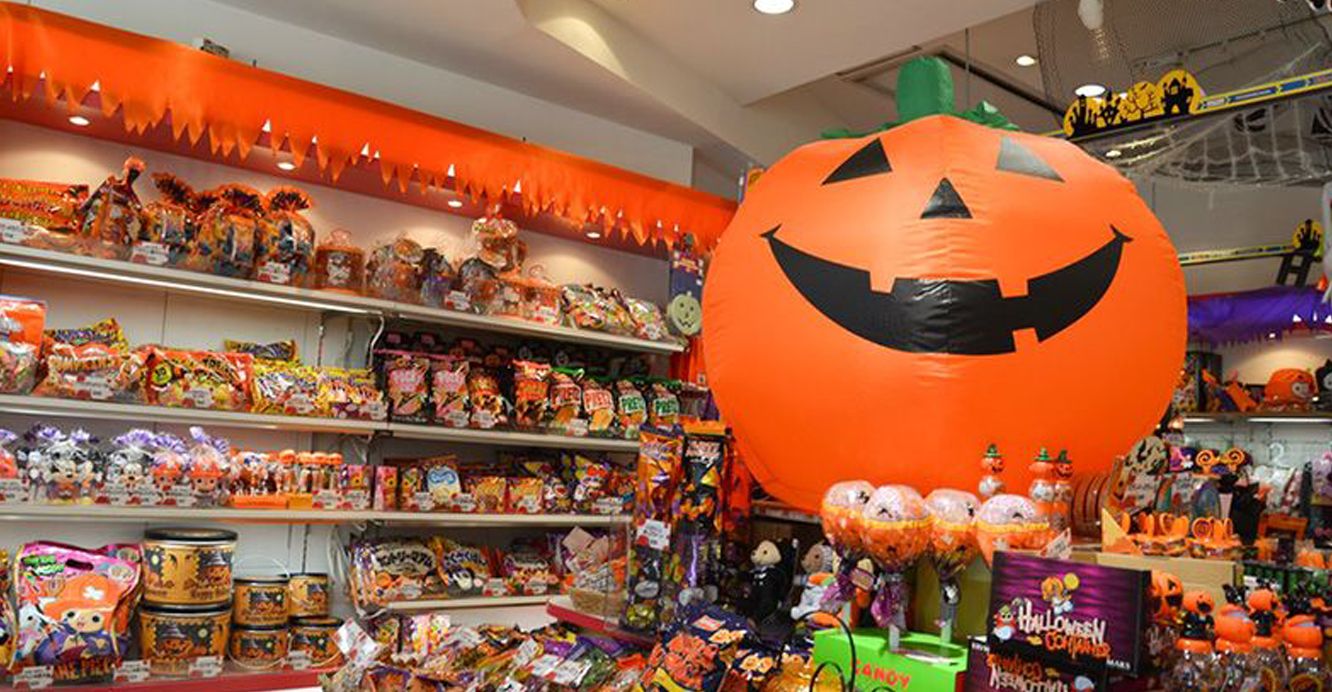
Halloween is inherently visual. Stores that create a festive environment capture attention and build energy. Decorations don’t have to be elaborate — cobwebs over cooler doors, themed signage at checkout, or pumpkin decals on the windows create mood. Music playlists and staff costumes add personality. One Southeast chain encouraged employees to dress up during Halloween weekend, offering customers discounts if they came in costume too. The result was not just higher traffic but social media buzz, with customers posting selfies from the store.
That visibility turns the store into a place where people want to linger, not just transact. For c-stores that often struggle to build personality beyond utility, Halloween provides a low-cost way to change perception.
Technology and Targeting
Digital tools can make Halloween campaigns more effective. Loyalty apps can track when customers buy candy early in October, then trigger push notifications mid-month reminding them to refill. Pump screens can run themed ads promoting candy-and-soda bundles, turning idle fueling minutes into purchase prompts. Social media posts showing decorated stores, staff costumes, or prize winners extend the campaign outside the four walls.
Some forward-thinking operators are using AI tools to tailor promotions. For example, if the POS shows a customer frequently buys salty snacks, the loyalty program might send them an offer for a “Halloween Movie Night Bundle” with chips, soda, and candy. These micro-targeted offers take the broad theme of Halloween and personalize it, making the customer feel understood.
Managing the Back End
Of course, stretching Halloween into a month-long season requires operational attention. Inventory flow must be staggered, not dumped all at once. Staff must be trained to rotate seasonal stock and keep displays full. Managers must resist the temptation to discount too heavily too early, preserving margin for the late-October rush. For stores in high-traffic areas, it may mean ordering extra inventory to avoid running out in the final days.
Staff engagement matters too. Encouraging employees to embrace the season — through costumes, contests, or recognition — builds morale and makes the customer experience more enjoyable. When employees have fun, customers notice. And when the season wraps, clear plans for sell-through or donation of leftover candy help close the loop without waste.
Lessons That Last Beyond October
The discipline of treating Halloween as a season pays dividends for the rest of the calendar. The same playbook — early stocking, mid-season refill, last-minute urgency, bundling, community tie-ins — applies directly to Thanksgiving, Christmas, New Year’s, and even non-holiday events like the Super Bowl or local festivals. Halloween serves as a rehearsal for bigger moments. Stores that learn to stretch a one-day holiday into a multi-week engagement carry that skill into every high-traffic season.
Looking forward, the opportunity only grows. As consumer behavior continues to value experiences and occasions, retailers who embrace the seasonal mindset will win. C-stores that take Halloween seriously are not just selling candy — they are building loyalty, expanding customer baskets, and cementing their place in the rhythms of community life.
At its core, Halloween is about connection, joy, and imagination. For c-store operators, leaning into that spirit pays off in both sales and reputation. It doesn’t require massive capital. It requires intentional execution, creative presentation, and a willingness to see opportunity where others see just a single night.
When you make October a season, not a day, you don’t just sell more candy. You transform your store into a place people look forward to visiting. And that’s the kind of magic that lasts well beyond the last jack-o’-lantern.
Newsletter
Stay Informed with
Top Headlines
Category

Insights and trends shaping U.S. convenience retail.
Content is provided for informational purposes only and does not constitute legal, financial, or professional advice.