C-Store Party Season
October doesn’t just signal the return of cooler mornings and pumpkin-flavored everything. It kicks off one of the most social stretches of the year — football weekends, tailgates, school fundraisers, office potlucks, and the steady drumbeat of holiday gatherings that run through December. For many households, these occasions come fast and often, and every one of them has the same requirement: food and drink that can feed a group. That’s where convenience stores, long associated with single-serve snacks and drinks, have a bigger opportunity than most realize. With the right framing, packaging, and marketing, c-stores can turn their existing offer into tailgate packs, party bundles, and holiday trays — without adding a full kitchen or tearing down walls.
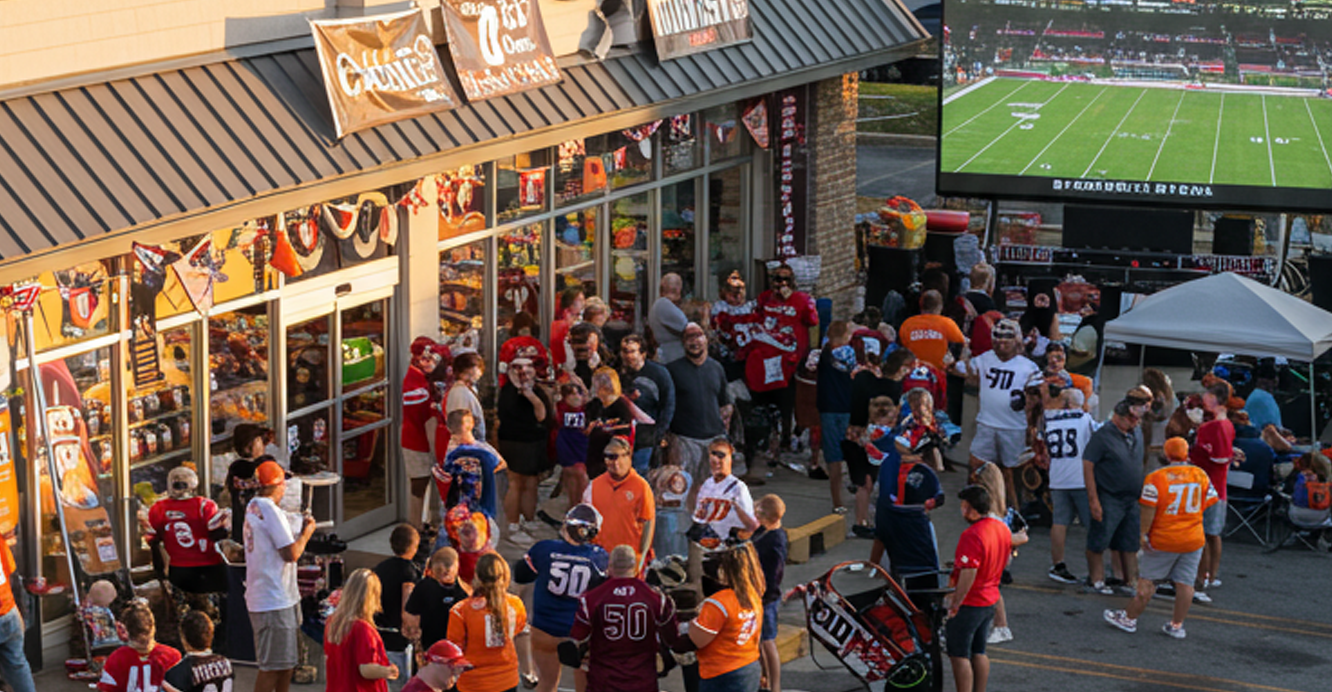
The opportunity is rooted in behavior. Americans are spending more time entertaining at home or with friends, especially in the wake of higher restaurant prices. A 2025 consumer survey found that nearly two-thirds of households plan to host or attend more home-based gatherings this year compared to pre-pandemic levels. But hosting comes with stress. People want options that are easy, affordable, and ready to go. Grocery stores offer deli trays and catering, but they require advance notice and longer waits. Restaurants can be expensive, and delivery fees pile up. C-stores, positioned on the way to stadiums, schools, offices, and neighborhoods, can meet the need for fast, flexible group solutions.
The key is to stop thinking of your current assortment as only single-serve. A pack of twelve wings, two pizzas, or a sandwich bundle looks like lunch for a few individuals on paper. Repackaged as a “Game Day Pack” or “Family Night Bundle,” it becomes an occasion-based product that commands attention. This isn’t about reinventing your kitchen. It’s about reframing what you already sell. That’s why the stores seeing success in this space often rely on smart packaging and clear marketing more than new equipment.
Take the example of a Midwestern chain that leaned into football season last year. They already offered pizza and chicken, but they began promoting a “Tailgate Trio” — two large pizzas, a dozen wings, and a two-liter soda for a set price. Sales jumped 30 percent compared to the same period the year before. Customers weren’t just buying food. They were buying a solution to their Saturday problem: how to feed a group before kickoff. Another independent operator in Georgia began assembling “Holiday Helper Packs” in November — trays of cold sandwiches, chips, and cookies. The items were the same as what they always sold individually, but packaged together and priced attractively, they became a hit with office managers and families alike.

Packaging is a critical part of this. Customers need to see that the bundle is designed for them, not cobbled together at the counter. Branded boxes, clamshell trays, or even simple stickers with names like “Game Day Pack” create confidence. It also saves customers time in the store. They don’t have to figure out which chips go with which sandwiches or how many drinks to buy. The store has done the math for them. For many shoppers, that’s worth paying extra for.
October is especially fertile ground for these promotions. College football Saturdays, NFL Sundays, and even Friday night high school games all create demand for grab-and-go party food. Customers driving to a tailgate don’t want to detour to a grocery store deli with long lines. They want to pull in, fuel up, and leave with food in the trunk. Stores that position themselves as tailgate headquarters — with signage at the forecourt and bundle displays inside — can capture that spend. The same logic applies to Halloween parties, Friendsgiving gatherings, and December holiday potlucks. The occasions change, but the need for quick solutions stays constant.
One of the most underrated advantages c-stores hold in this space is hours. Grocery stores close early, and restaurants get backed up on weekends and holidays. But c-stores are open late, often 24 hours. That means you can be the last-minute hero for someone heading to a party at 8 p.m. who realizes they forgot to bring food. A stack of premade bundles near checkout with clear pricing can save that customer’s evening — and earn you a loyal fan for future occasions.
There is also a larger brand story at play. When customers see your store as the place that saved their tailgate or made their office potluck easier, they associate you with solutions, not just transactions. That reputation builds over time. It shifts the store from being a stop of necessity to a stop of choice. And in a competitive market, that positioning is invaluable.
Operators don’t need to tackle this alone. Vendors are often eager partners. Beverage companies love tie-ins with tailgate packs because they align perfectly with social occasions. Snack manufacturers see trays and bundles as ways to increase velocity. Some even provide promotional support, packaging, or co-op dollars for stores willing to highlight their products in bundle promotions. A simple conversation with your distributor or rep can uncover resources you didn’t know were available.
Marketing these packs is half the battle. In-store signage is a given, but don’t overlook the power of digital. A quick social media post showing a ready-to-go party tray, or a loyalty app push notification advertising “Game Day Packs Available Friday,” can drive awareness and preorders. Some independents are even building simple order-ahead systems for larger trays, requiring just 24 hours’ notice. The technology doesn’t have to be sophisticated. Even a phone number for preorders creates a catering-like channel that many customers didn’t know existed.
Pricing strategy is another lever. Customers expect bundles to feel like a deal, even if the store maintains healthy margins. Anchoring packs at round numbers — $19.99, $29.99, $39.99 — helps. The perception of value is what drives adoption. Over time, once customers get in the habit of buying packs, stores can experiment with upsells: adding premium sides, larger beverage options, or desserts at incremental prices. The point is to get them in the habit first.
The opportunity stretches beyond food, too. Tailgate and holiday packs can include non-food items: disposable cups, napkins, even branded coolers. Some operators have started offering “complete kits” that bundle drinks, food, and supplies. Customers appreciate the simplicity, and stores benefit from higher ticket sizes.
Looking ahead, the potential is even greater as technology merges with these offers. Imagine a customer fueling up on a Saturday morning. The pump screen offers them a “Tailgate Pack for the Big Game.” They tap yes, pay at the dispenser, and pick it up on the way out. Or picture a loyalty app that pushes a notification Friday afternoon: “Don’t forget your Game Day Pack — preorder now.” These integrations are already being piloted by larger chains, and independents can adopt lighter versions with basic preorder systems.
The beauty of tailgate and holiday packs is that they don’t require a kitchen remodel. You don’t need a full-service deli to succeed. You need smart packaging, thoughtful marketing, and the willingness to frame existing items as solutions for groups. If you already sell pizza, sandwiches, wings, or even hot dogs, you have the building blocks. The transformation is in how you package, price, and present them.
As we move deeper into fall, the demand for these solutions will only grow. Families will be busier, gatherings more frequent, and customers more pressed for time. The stores that step up and say, “We’ve got your game-day covered” or “We’ve got your holiday party handled” will not just see sales spikes — they’ll earn a place in the rhythm of community life.
That’s the bigger picture. Convenience retail has always been about meeting people where they are, in the middle of their daily lives. Tailgate and holiday packs are a modern expression of that mission. They show that the c-store isn’t just a place to grab a drink and go. It’s a partner in celebrations, in traditions, and in the simple need to feed a group without stress. Done right, it’s one of the most human ways to remind customers why convenience matters.
Newsletter
Stay Informed with
Top Headlines
Category

Insights and trends shaping U.S. convenience retail.
Content is provided for informational purposes only and does not constitute legal, financial, or professional advice.