Prepared Meal Kits and Take-Home Bundles That Actually Move
For years, the dinner daypart was a blind spot for convenience stores. The industry built its reputation on mornings, dominated lunches with grab-and-go, and captured late-night impulse with snacks and energy drinks. But the question of what customers eat at six o’clock remained mostly unanswered. That’s beginning to change, and October is the perfect moment to focus on it. As the days get shorter, families look for solutions that save time, stretch dollars, and still feel like a meal worth sitting down for. Meal kits and take-home bundles are no longer just for grocery stores. They are moving into the convenience channel, and for the operators who execute well, they are quietly becoming a steady stream of traffic and margin.
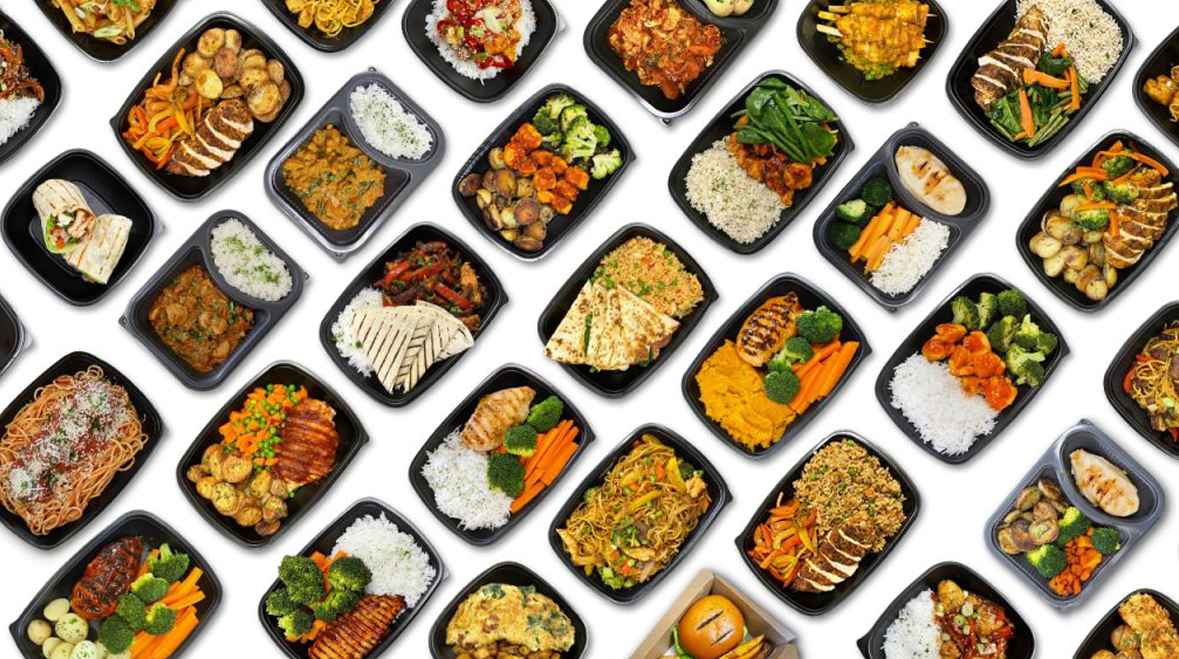
The shift is driven partly by economics. Grocery prices remain volatile, restaurant tabs continue to climb, and households are recalibrating how they spend on food. In recent consumer surveys, more than half of adults said they are cooking more at home than a year ago, but many admitted they still want the convenience of prepared or partially prepared foods. That tension — between wanting to save and wanting ease — is exactly where c-stores can win. Unlike restaurants, c-stores already sit on the path home. Unlike grocery, they can move faster, stocking smaller quantities and responding quickly to changing demand. A bundle of sandwiches, a pizza with a two-liter, or a hot-case chicken paired with sides is not a complicated leap. It’s a reframing of what the store already does well.
Some operators are getting more ambitious, offering kits that mimic the subscription model. A few regional chains now sell “family night” boxes: precooked proteins, side dishes, and even desserts bundled in one package. Customers can take them home, heat them up, and call it dinner. Others have experimented with taco kits, pasta bundles, or build-your-own sub packs. The difference between a product that moves and one that languishes is often less about the food itself and more about the framing. Families don’t buy “three sandwiches and chips.” They buy “Friday night dinner.” Shoppers don’t reach for “a pizza and drinks.” They respond to “game-day bundle.” The message is just as important as the menu.
The demand is already visible in data. NACS research shows that prepared food remains one of the fastest-growing inside categories for c-stores, contributing an outsized share of margin compared to packaged goods. Stores that invest in hot food programs consistently outperform peers. The natural extension is to position those foods not only as single meals but as family solutions. An operator in Kentucky reported that bundling two pizzas with wings and a drink led to a 40 percent increase in Friday night sales compared to selling the same items individually. The products didn’t change — the packaging and marketing did.
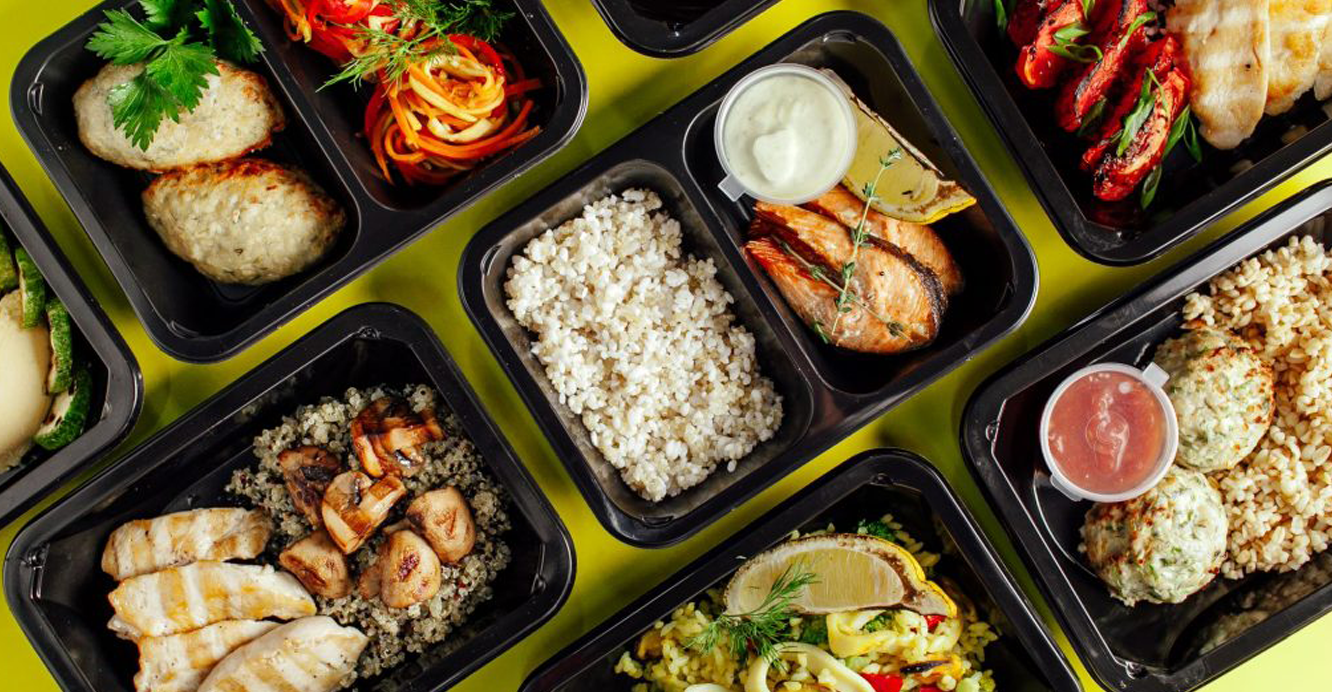
Packaging is often the hidden lever. Customers need to see that the bundle is designed for them, not pieced together at the last minute. Branded boxes, carryout bags, or clear signage create a sense of intention. A well-labeled box that reads “Family Meal Kit” signals quality and value. It also simplifies the decision. Parents do not want to stand in a store at six o’clock trying to figure out what goes with what. They want to grab, pay, and go. Packaging delivers that clarity.
There is also a strong seasonal angle. In October, tailgates and football gatherings are natural occasions for bundles. Stores that market “Game Day Packs” of wings, chips, and drinks tap into an existing rhythm of group eating. By November and December, holiday gatherings open the door to larger trays and party platters. Even if a store lacks a full kitchen, there are ways to assemble trays of cold sandwiches, chips, and cookies that serve a crowd. The trick is to stage it as a prepared solution, not just a collection of retail items. Customers are willing to pay a premium for someone else to do the assembly.
C-store catering is beginning to find its footing here too. Several chains now openly advertise catering menus for office lunches, team parties, and small events. The economics are compelling: incremental revenue on items already in the food program, higher average ticket sizes, and visibility in spaces where the store might otherwise never appear. For independents, the bar is lower than it sounds. A simple flyer or social media post showing that trays can be ordered 24 hours in advance can unlock a new revenue stream. Many customers assume convenience stores won’t do catering until they’re told otherwise. Once they know, they often prefer it because pickup is easy and hours are flexible.
Meal kits and bundles also respond well to promotions. Buy-one, get-one offers on bundles may sound generous, but they drive trial that often converts into habit. Loyalty integration matters too. Offering double points on family packs or app-exclusive discounts creates repeat behavior. And because margins on prepared food are stronger than packaged, the promotions don’t erode profit the way they might in other categories.
There are challenges, of course. Forecasting demand for larger bundles is tricky. Waste must be managed carefully, especially with perishable sides. Staffing can be stretched if prep is complicated. That’s why the most successful programs keep it simple. They start with core items already moving through the store and build bundles around them. Over time, as patterns emerge, they expand into more elaborate kits. The lesson is that a bundle should not add complexity. It should reduce it — for both the customer and the operator.
The broader story is about positioning. C-stores are not trying to replace restaurants or grocery chains head-on. They are carving out the space between them. For a family on a budget that still wants a treat, a c-store meal bundle is cheaper than takeout and faster than cooking from scratch. For a college student hosting friends for a game, a pizza and soda bundle is easier than ordering delivery. For a commuter who forgot dinner until the drive home, a pre-assembled kit solves the problem in one stop. That’s the value proposition: immediate, affordable, and easy.
Looking ahead, the opportunity is only going to grow. With the rise of GLP-1 drugs reshaping how consumers think about portion sizes and protein intake, convenience stores have a chance to innovate with balanced bundles. Smaller portions, lean proteins, and functional beverages can become part of the dinner solution. As shoppers demand healthier but still convenient options, c-stores can evolve beyond indulgent bundles to offer choices that align with new lifestyles. The category will not stay static. It will keep bending to consumer preference, and the stores that listen will be the ones that keep winning.
October is the moment to lean in. Families are busy, evenings are darker, and gatherings are frequent. A simple display that says “Dinner Tonight” or “Game Day Pack” can trigger trial. Once customers realize your store is capable of solving the dinner dilemma, they start looking for you not just in the morning or at lunch, but on their way home. That shift is powerful. It transforms the store from a stop on the margin of life to part of the main routine.
Meal kits and take-home bundles may not feel flashy. They don’t always carry the buzz of a new energy drink or the novelty of a seasonal snack. But they deliver something deeper: relevance. They position the convenience store as a true food destination, a place that solves everyday problems in real time. For an industry built on being there when people need it most, there may be no greater compliment. Dinner tonight is waiting — and c-stores are finally ready to serve it.
Share:
Newsletter
Stay Informed with
Top Headlines
Category

Insights and trends shaping U.S. convenience retail.
Content is provided for informational purposes only and does not constitute legal, financial, or professional advice.