Buying group says high fuel prices are depressing inside sales, with declines as deep as 25% in some regions — while energy drinks keep closing the gap on carbonated soft drinks.
Higher fuel prices are pushing down in-store sales at many independent convenience retailers by an estimated 15% to 25%, depending on the region, according to Chirag Patel, co-founder and CEO of the Horizon Retailers Association (HRA). The Georgia-based buying group represents about 6,000 independent c-store operators across eight Southern states — Georgia, Alabama, Tennessee, South Carolina, North Carolina, Virginia, Florida, and Mississippi.
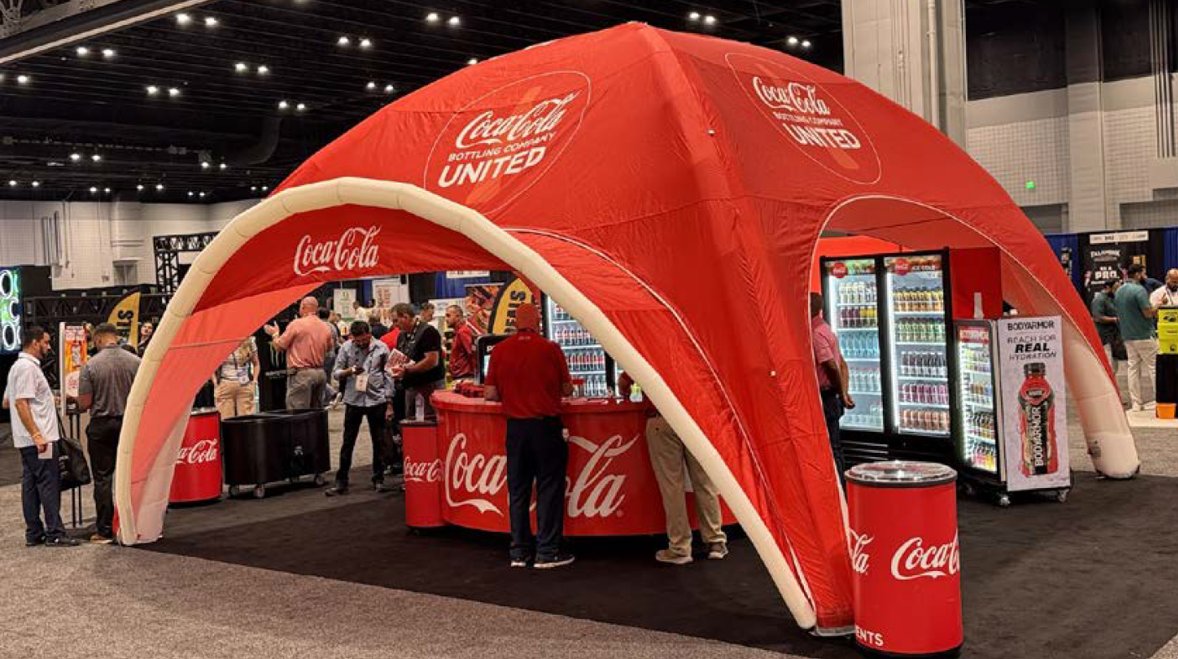
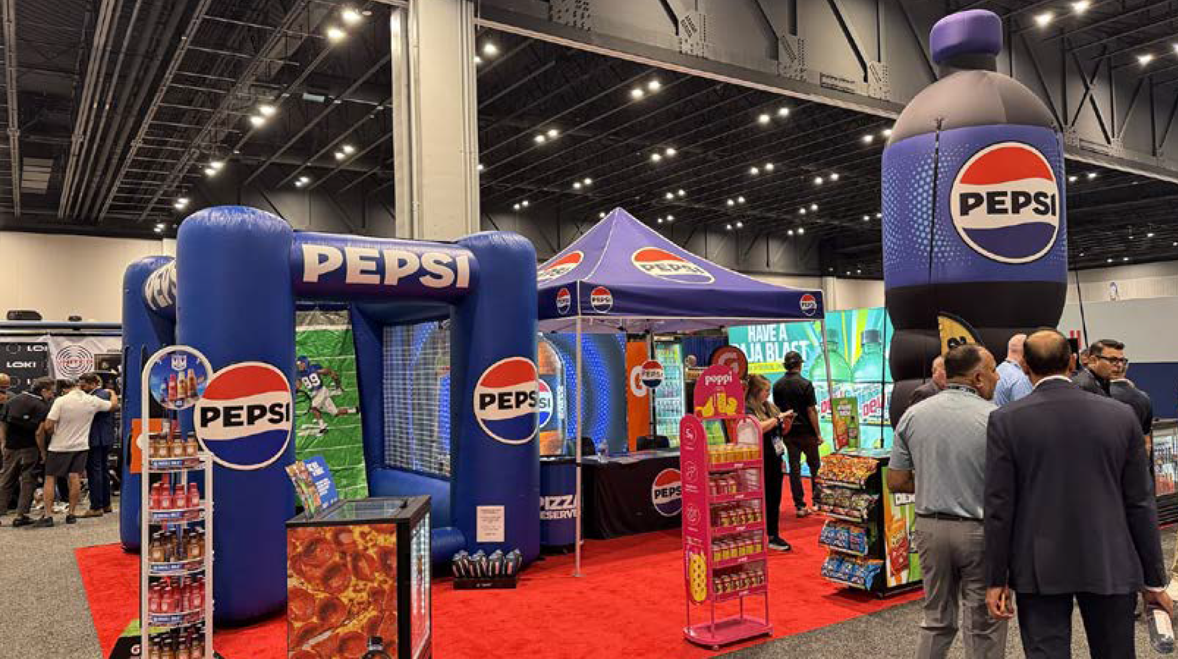
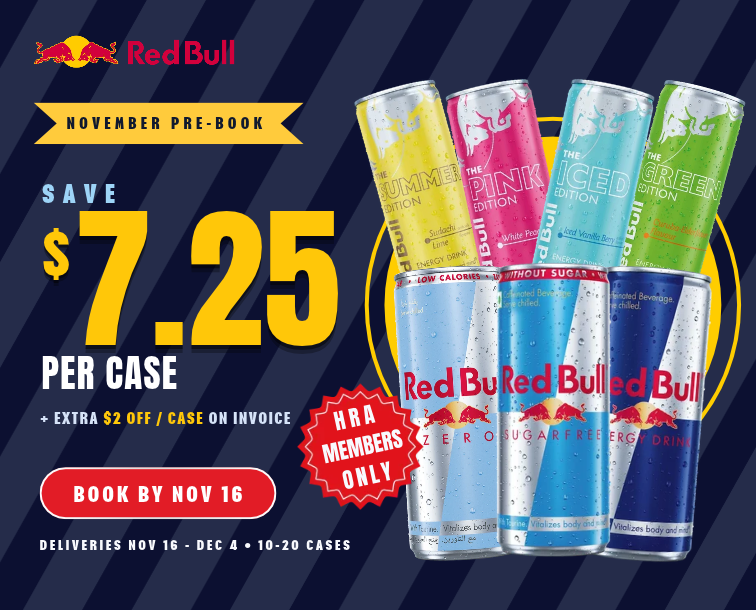
Patel, who manages a staff of more than 50, shared his outlook with Beverage Digest on the sidelines of the association’s 2026 C-Store Connect Tradeshow in Atlanta, where vendors including Coca-Cola United, PepsiCo, Monster Beverage, Red Bull, and Celsius Holdings showed products.
The Fuel Squeeze on Inside Sales
Patel said convenience customers are increasingly buying fuel only and skipping the drinks, snacks, and food inside the store. As prices at the pump climb, the trip inside simply doesn’t happen.
“Today, that same $50 tank of gas is costing you 60 bucks. So you’re not going into the stores anymore. Everything is about affordability.”
— Chirag Patel, co-founder & CEO, HRA
The pressure runs in both directions. High diesel prices raise transportation costs for wholesale distributors, which in turn lifts the wholesale cost of the products sold inside convenience stores. “The more fuel goes up, the more we’re going down,” Patel said of his members’ sales and profitability.
That squeeze pushes owners to cut costs, often starting with labor. Many resort to working behind the register themselves and trimming back on inventory. “When money gets tight, everybody takes a hit,” Patel said.
The Buying-Group Advantage
HRA is one of many retail associations and cooperatives that give independent operators the buying power of a chain. The association negotiates pricing, promotions, and cooler space with suppliers on members’ behalf, so member stores get volume prices and service they often couldn’t secure on their own. HRA also steps in to handle disputes with vendors.
The model is built to capture the scale advantages enjoyed by national chains such as QuikTrip and RaceTrac — including getting new products sooner, rather than waiting in line behind the big chains. “If the corporates can do it, we’ll just do it the same way,” Patel said.
Rather than a fixed planogram, HRA allocates cooler space by percentage, since “not all stores are one-size-fits-all.” Member stores follow the allocation in exchange for volume pricing. The group also negotiates delivery thresholds so slower stores can take delivery every two weeks instead of weekly. In return, suppliers get consistent pricing and placement across thousands of stores, and HRA field staff verify that stores honor both — which Patel said means less work for vendors.
“I look out for the vendor and also the guy who’s my member.”
— Chirag Patel
Language is another bridge. Patel estimated that 30% to 40% of members do not speak English as a first language, and HRA staff can communicate with them in their own languages — in person or through 24/7 telecom support.
Energy Drinks Close in on Soft Drinks
Asked about energy drink growth, Patel said the category is closing in on carbonated soft drinks at HRA member stores. He estimated that a typical member’s packaged beverage sales now break down to roughly 50% CSDs, 40% energy drinks, and 10% everything else. “We didn’t think that would ever happen,” he said.
That surge is intensifying the fight for limited cooler space in a typical convenience store. “Every other day, a new energy drink’s coming out,” Patel said — adding that it is hard for newcomers to break in given the velocities posted by market leaders Red Bull and Monster.
Source: This interview with Chirag Patel was reported by Beverage Digest (Vol. 77, Issue 16, October 6, 2026). Quotes are Patel’s own; the summary above is C-Store Connect’s.
Resource Link
Beverage Digest – Premium beverage industry insight, analysis & data C-Store Connect 2026 Trade Show – Full recapCategory
Insights and trends shaping U.S. convenience retail.
Content is provided for informational purposes only and does not constitute legal, financial, or professional advice.