How to Manage Multiple Locations Effectively
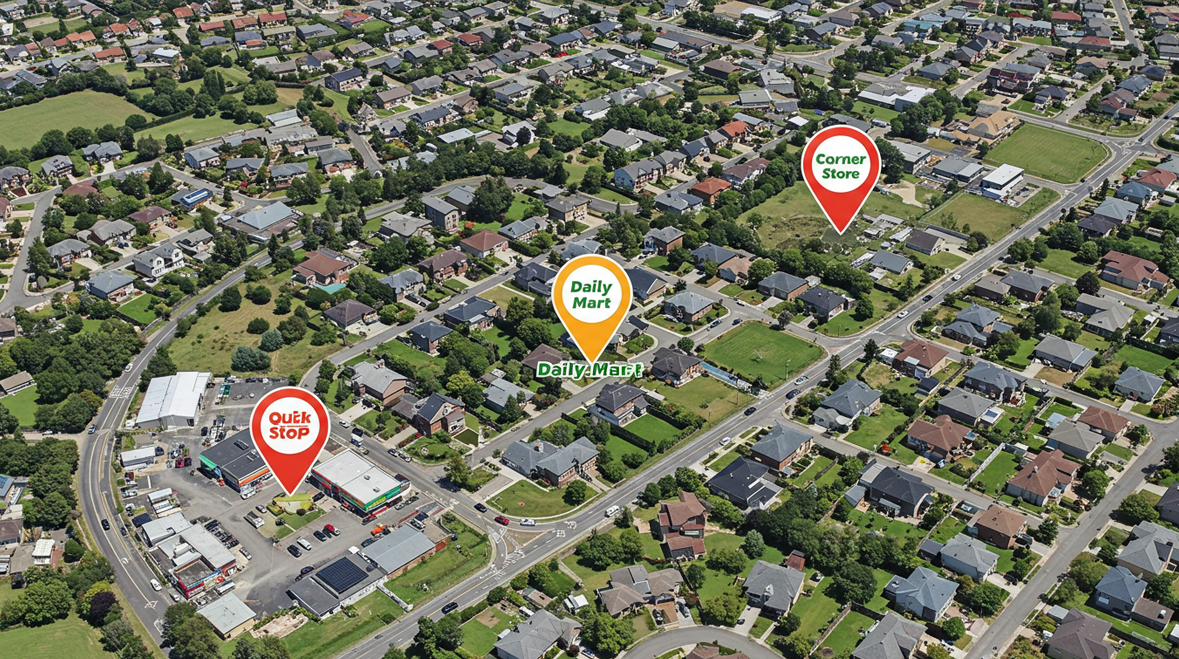
Expanding from one convenience store to two, three, or more is a major milestone, but it also comes with an entirely new set of challenges. Running a single store is one thing—you know every employee by name, you’re familiar with every shift, and if something needs fixing, you’re there to handle it. But once you expand, you’re no longer just a store owner. You’re running a network, and that means you have to shift from managing one business to managing multiple businesses at the same time. It’s a different mindset, and if you don’t have a solid plan in place, things can start slipping through the cracks before you even realize what’s happening.
The good news? Plenty of c-store owners have successfully made this transition, and they all have one thing in common: they don’t just work in their business—they work on it. That means putting the right systems, people, and strategies in place so that every location runs smoothly, whether you’re physically there or not. Mastering multi-store management isn’t about being everywhere at once. It’s about building a structure that allows your business to thrive no matter where you are.
Building the Right Team to Lead Each Store
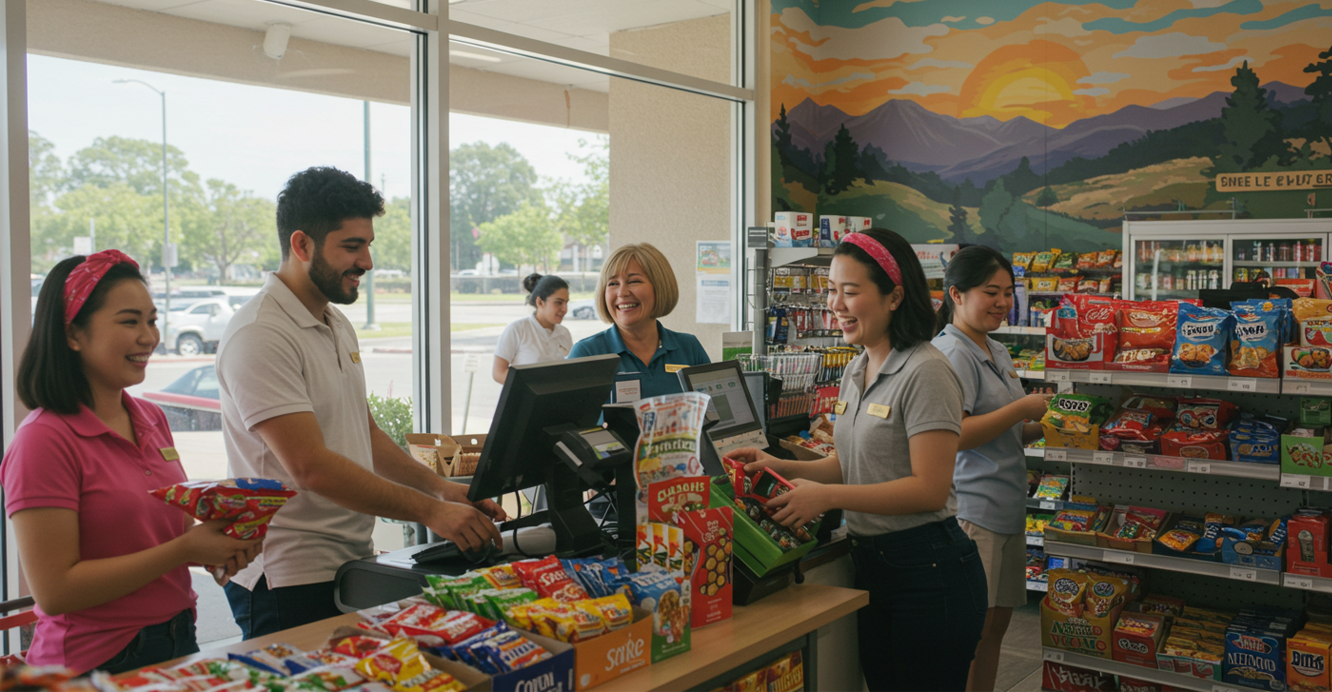
If you’re expanding, you can’t be the one handling everything anymore. That’s one of the hardest things for many owners to accept—after all, nobody cares about your business the way you do, right? But if you try to be the person solving every problem, approving every decision, and putting out every fire, you’ll stretch yourself too thin, and something (or everything) will suffer. The only way to scale effectively is to build a team you trust, starting with strong store managers who can handle day-to-day operations without you needing to micromanage.
A good store manager isn’t just someone who shows up on time and knows how to stock shelves. They need to be leaders—people who can motivate their team, solve problems on the spot, and uphold your store’s standards even when you’re not around. Finding the right managers isn’t always easy, and in many cases, it makes sense to promote from within. Someone who already knows your store, understands your expectations, and has proven they can handle responsibility is often a great candidate for a management role. But whether you’re promoting from within or hiring from the outside, training is everything. If you want your managers to run things the way you would, you need to invest time in teaching them your processes, your expectations, and your company’s culture.
Once you have the right managers in place, your role shifts from being the person who does everything to being the person who supports everything. Regular check-ins, leadership training, and clear communication keep everyone aligned, ensuring that your stores don’t just function—but thrive.
Keeping Inventory Under Control Across Multiple Locations
Inventory management is a challenge for any convenience store, but when you’re running multiple locations, it becomes even more complex. You might have one store that sells out of a particular item every week, while another barely moves any of it. Some locations might deal with more theft or shrinkage than others. And when you’re ordering for multiple stores, it’s easy for overstocking and understocking to become a problem—both of which eat into your bottom line.
The key to mastering inventory at scale is having a system that tracks sales trends and stock levels in real time. This isn’t something you can do effectively with handwritten logs or by “eyeballing” the shelves anymore. Cloud-based inventory software allows you to see exactly what’s moving, what’s sitting, and what needs to be adjusted—across all your stores—from anywhere. Instead of relying on guesswork, you can make data-driven decisions about ordering, pricing, and promotions, ensuring that every location stays stocked with what customers actually want.
Beyond technology, consistency in vendor relationships is also crucial. The more stores you have, the more leverage you have when negotiating prices and terms with suppliers. A strong vendor partnership means better pricing, priority deliveries, and even potential discounts for bulk purchasing. But just like with managers, these relationships need to be maintained—regular communication, clear expectations, and a willingness to adjust when needed all play a role in keeping inventory flowing smoothly.
Using Technology to Stay in Control Without Being Everywhere at Once
One of the biggest concerns for owners with multiple locations is the feeling of not being able to “see” everything. When you’re used to being in one store every day, knowing exactly what’s happening, it can be unsettling to suddenly have stores operating without you there to oversee them. This is where technology becomes your best friend.
Surveillance systems, cloud-based POS systems, and mobile-accessible management software allow you to monitor sales, staffing, and security in real time—whether you’re in another store, at home, or even on vacation. Instead of relying on secondhand reports, you can log in and see exactly how each location is performing, track transactions as they happen, and even review security footage if needed. This level of visibility doesn’t just give you peace of mind; it also helps you spot issues early. If one store’s sales are dipping unexpectedly or inventory numbers aren’t matching up, you can catch the problem before it turns into a bigger issue.
That said, technology should support your team, not replace them. No amount of software can substitute for good management, strong training, and a solid company culture. But when used correctly, technology allows you to manage multiple stores with the same attention to detail that you once gave to just one.
Maintaining Quality and Customer Experience Across Every Store
One of the biggest risks of expansion is inconsistency. When you only have one location, you set the tone for how everything runs. But with multiple stores, the customer experience can start to vary depending on who’s working, how well a manager is performing, or even what kind of day your staff is having. If customers walk into one location and get excellent service, but another store feels disorganized or unprofessional, it hurts your brand as a whole.
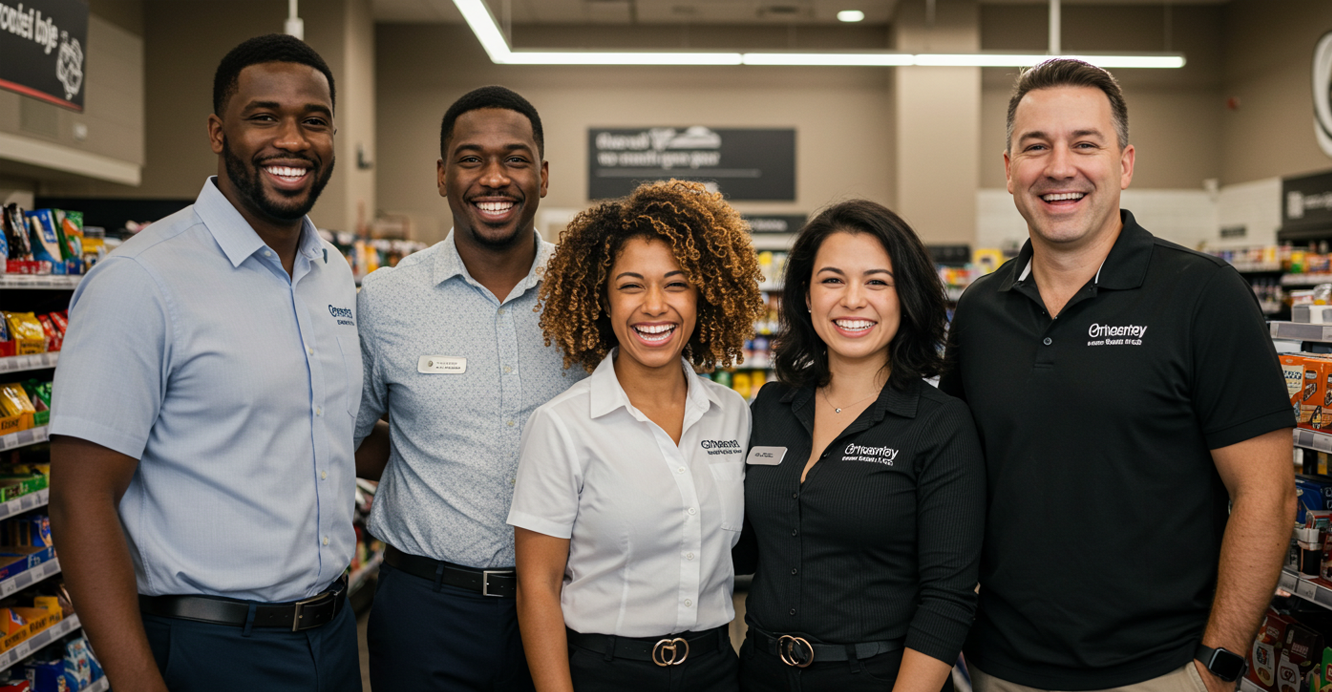
The only way to prevent this is to have clear, enforceable standards across all locations. This means written procedures for everything from opening and closing to stocking shelves and handling customer complaints. It means regular site visits to make sure every store is maintaining the same level of cleanliness, efficiency, and customer service. And it means hiring and training with consistency in mind—making sure that every employee, no matter which location they work in, understands what’s expected of them.
Many successful multi-store owners implement mystery shopper programs or conduct unannounced audits to ensure that standards aren’t slipping. Others rely on customer feedback—actively encouraging reviews and making sure that any complaints are addressed immediately. However you approach it, the goal is to make sure that customers feel the same level of quality and care in every store you operate.
The Big Picture: Scaling Smart and Staying Profitable
Running multiple stores isn’t just about growing bigger—it’s about growing better. If expansion leads to chaos, declining service, or mismanaged inventory, then more stores won’t mean more profit. But when done right, multi-store ownership allows for greater buying power, stronger brand recognition, and long-term financial success.
The key is to approach expansion strategically. Don’t rush into opening new locations without having the right team, systems, and processes in place. Take the time to build a strong foundation with your first few stores before adding more to the mix. And remember that growth isn’t just about adding more stores—it’s about improving every aspect of your business so that each location can thrive on its own while contributing to the overall success of your brand.
Share:
Newsletter
Stay Informed with
Top Headlines
Category




Insights and trends shaping U.S. convenience retail.
Content is provided for informational purposes only and does not constitute legal, financial, or professional advice.