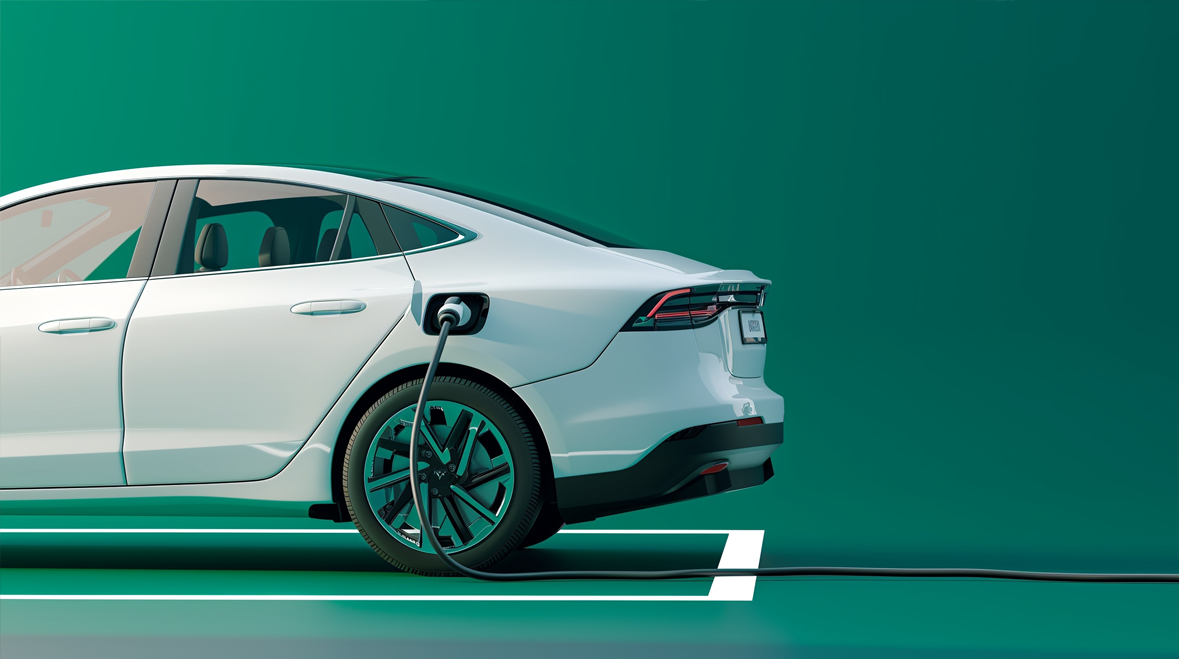
The future is electric!
The world is charging ahead—literally. Electric vehicles (EVs) are no longer a futuristic concept; they’re a present reality, rapidly gaining traction across the United States. With the number of EVs on the road expected to grow exponentially over the next decade, convenience stores are uniquely positioned to capitalize on this trend by offering EV charging stations.
For small convenience store owners, this opportunity is about more than just keeping up with the times. It’s about staying competitive, attracting new customers, and securing a profitable niche in an evolving market.
The Rise of EVs and the Changing Transportation Landscape
EV adoption is booming. According to the International Energy Agency, the number of EVs worldwide surpassed 14 million in 2023, with the United States accounting for a significant portion of that growth. By 2030, it’s projected that EVs will make up 30% of all vehicles on U.S. roads.
This shift is driven by several factors: government incentives, increasing environmental awareness, and the growing affordability of EVs. As more drivers make the switch, the demand for reliable, convenient charging infrastructure is skyrocketing—and convenience stores are perfectly positioned to fill the gap.
For decades, convenience stores have been synonymous with quick, accessible refueling. Adding EV chargers is the natural next step, enabling store owners to meet the needs of a rapidly expanding customer base.
The Benefits of Adding EV Charging Stations
Investing in EV chargers offers a host of advantages for convenience store owners:
Attracting a New Customer Base: EV drivers need reliable charging options, and by providing them, your store becomes a go-to destination. These customers are likely to visit your store while waiting for their vehicles to charge, leading to increased foot traffic and sales.
Building a Future-Proof Business: As gas-powered vehicles gradually decline, stores that embrace EV charging now will be ahead of the curve, positioning themselves as leaders in the next era of transportation.
Enhancing Your Brand: Offering EV chargers demonstrates that your business is forward-thinking and environmentally conscious—qualities that resonate with today’s consumers.

Types of EV Charging Stations
Understanding the types of EV chargers is critical when deciding how to integrate this technology into your convenience store. Each level of EV charging serves a distinct purpose and comes with its own set of requirements and benefits. Here’s a closer look at the three primary levels:
Level One: Basic Charging Level 1 chargers are the simplest and slow est option, providing power through a standard 120-volt outlet—the kind you’d find in any home or business.
These chargers add approximately 3–5 miles of driving range per hour. For most EV drivers, that means a full charge could take upwards of 24 hours, depending on the size of the battery.
Level 1 chargers are best suited for overnight charging at home or in areas where vehicles remain parked for long periods, such as workplaces or hotels. Because they use existing electrical infrastructure, Level 1 chargers have minimal installation costs, but their slow speed makes them impractical for convenience stores where quick turnover is essential.
While Level 1 chargers are not ideal for c-stores, understanding their limitations highlights the need for faster, more efficient Solutions.
Level Two: Public-Friendly and Practical Level 2 chargers operate on a 240-volt circuit, similar to what powers heavy appliances like electric dryers. These chargers are significantly faster, making them the most common choice for public locations, including convenience stores.
They can add 12–60 miles of range per hour, depending on the specific charger and vehicle. A full charge might take 3–8 hours, but for most drivers stopping at a c-store, a 30-minute session provides plenty of range for their immediate needs.
Level 2 chargers are ideal for locations where customers might spend 15–30 minutes, such as convenience stores, shopping centers, and restaurants.
Installation costs range from $2,000 to $5,000 per unit, depending on electrical infrastructure and the charger’s features.
Many Level 2 chargers allow for networked management, letting store owners monitor usage, set pricing, and even offer loyalty program integration.
For convenience stores, Level two chargers strike the perfect balance between cost-effectiveness and customer convenience.
Level Three: DC Fast-Charging -- The Ultimate Convenience Level 3 chargers, often referred to as DC fast chargers, are the pinnacle of EV charging technology. These systems use direct current (DC) instead of alternating current (AC), enabling them to deliver power at an extremely high rate.
DC fast chargers can add 100–250 miles of range in just 20–30 minutes, depending on the vehicle and the charger’s capacity. For drivers, this speed makes them the most desirable option for quick refueling stops.
These chargers are perfect for high-traffic convenience stores near highways or urban centers where drivers need fast charging on the go.
The initial investment for a single DC fast with additional costs for electrical upgrades potentially adding another $10,000– $50,000. These chargers also consume significant amounts of electricity, making operational costs higher than Level 2 chargers.
Many DC fast chargers come equipped with advanced software for monitoring and monetizing usage. Some even include features like vehicle-to-grid (V2G) technology, allowing stored energy in EVs to be fed back into the grid.
While DC fast chargers require a higher upfront investment, they offer unmatched speed and customer appeal, making them an excellent choice for stores in busy or strategic Locations.
Which Level is Right for Your Store?
For most convenience stores, starting with one or two Level 2 chargers is a practical and cost-effective way to enter the EV market. They offer a good balance of charging speed and affordability, ensuring that your store can attract EV drivers without overextending your budget.
If your store is located near a highway or in an area with high EV adoption, investing in a DC fast charger can provide a competitive edge. These chargers cater to drivers looking for speed, making the more likely to stop at your location—and spend time (and money) inside your store while they wait.
By understanding the differences between these charging levels, you can make an informed decision that aligns with your store’s goals, budget, and customer base. Let’s plug into the future—one charging station at a time.
What’s In It For You?
Revenue from EV charging stations comes from multiple streams. Most charging stations allow store owners to set usage fees, such as a per-minute or per-kilowatt-hour rate. On average, charging fees can generate $3–$7 per session, depending on location and electricity costs.
Beyond direct earnings, EV chargers drive foot traffic. Studies show that EV drivers are likely to spend 15–30 minutes at a charging station—plenty of time to grab a coffee, a snack, or a quick meal. This extended dwell time translates into higher in-store sales.
Staying Competitive in a Changing Market
Major convenience store chains like Wawa, Sheetz, and 7-Eleven are already embracing EV charging, installing stations at dozens of locations nationwide. For independent store owners, this trend highlights a critical point: to stay competitive, you need to Adapt.
Adding EV chargers doesn’t just help you keep pace with larger competitors—it positions your business as a leader in your community, offering services that customers increasingly expect.
The First Steps to Plugging In Ready to explore EV charging for your store? Here’s how to get started:
1. Research Providers: Companies like ChargePoint, Tesla, and Blink offer leasing and ownership options. Reach out for demos and pricing to find the best fit for your Business.
2. Evaluate Your Location: Consider your store’s proximity to highways, urban centers, or EV-friendly communities. High-traffic areas are ideal for charging stations.
3. Plan for Growth: Start small with one or two chargers and expand as demand increases.
The Road Ahead
The rise of EVs represents one of the most significant shifts in the transportation industry in decades. For convenience store owners, this is a once-in-a-generation opportunity to evolve alongside your customers, meet their changing needs, and build a business that’s ready for the future. The road ahead is electric—don’t get left behind.
Share:
Newsletter
Stay Informed with
Top Headlines
Category




Insights and trends shaping U.S. convenience retail.
Content is provided for informational purposes only and does not constitute legal, financial, or professional advice.