Why Some C-Stores are Becoming Places to Stay
Throughout the history of the convenience store business, success has been defined by speed. Customers pulled off the road, filled up, grabbed a drink or a snack, paid quickly, and moved on. The entire system was designed around short visits and fast transactions. Stores were built to move people through quickly, not to encourage them to stay. A typical visit lasted only a few minutes, and that was exactly how operators wanted it.
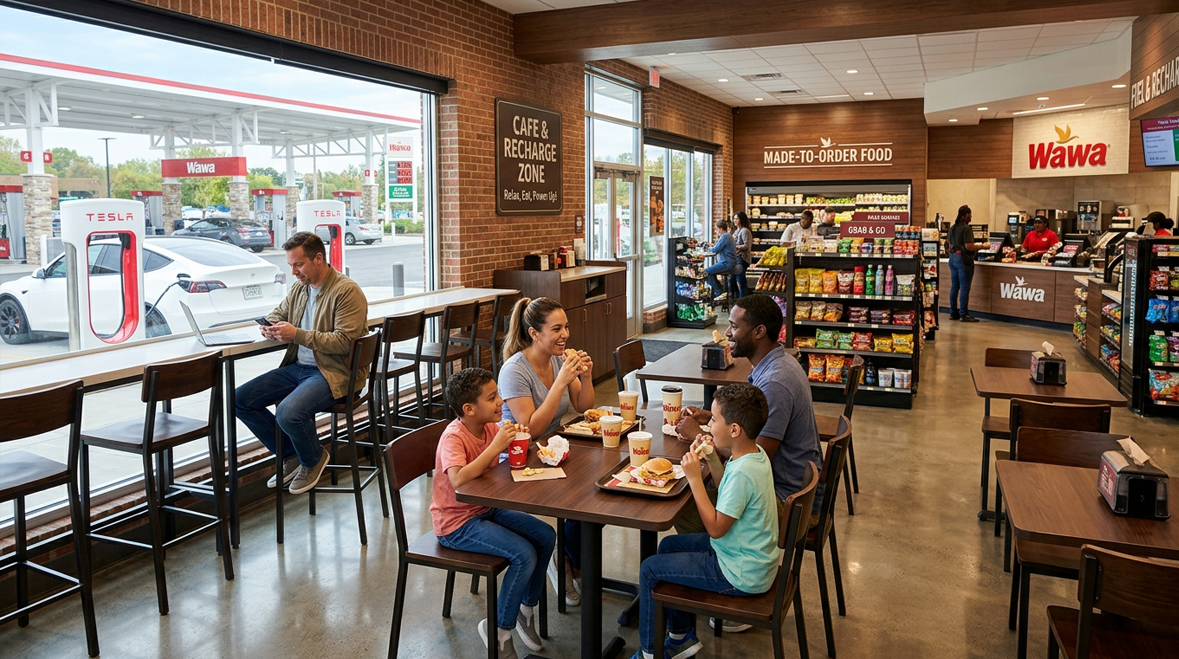
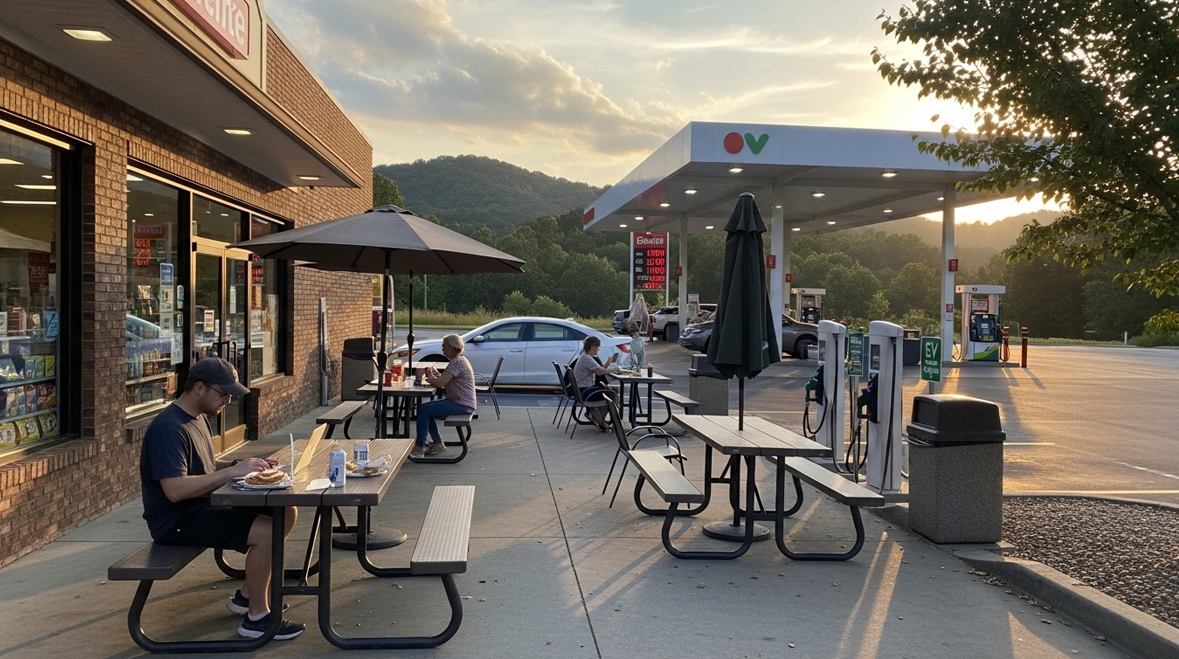
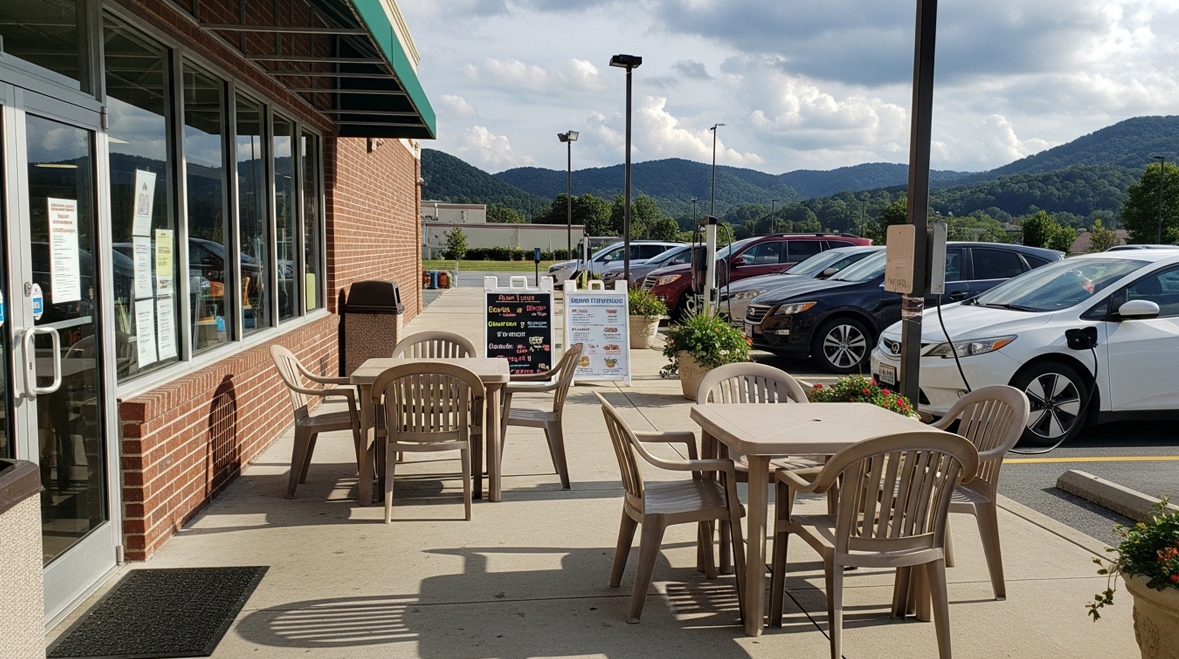
Over the past decade, however, something subtle has been changing across the convenience channel. In certain markets, and particularly among operators investing heavily in foodservice, stores are beginning to look less like quick stop retail and more like small gathering places. Seating areas appear beside the coffee station. Dining tables sit near windows that once held only coolers. Some stores are even building patios or lounge style areas where customers can sit down with a meal instead of rushing out the door.
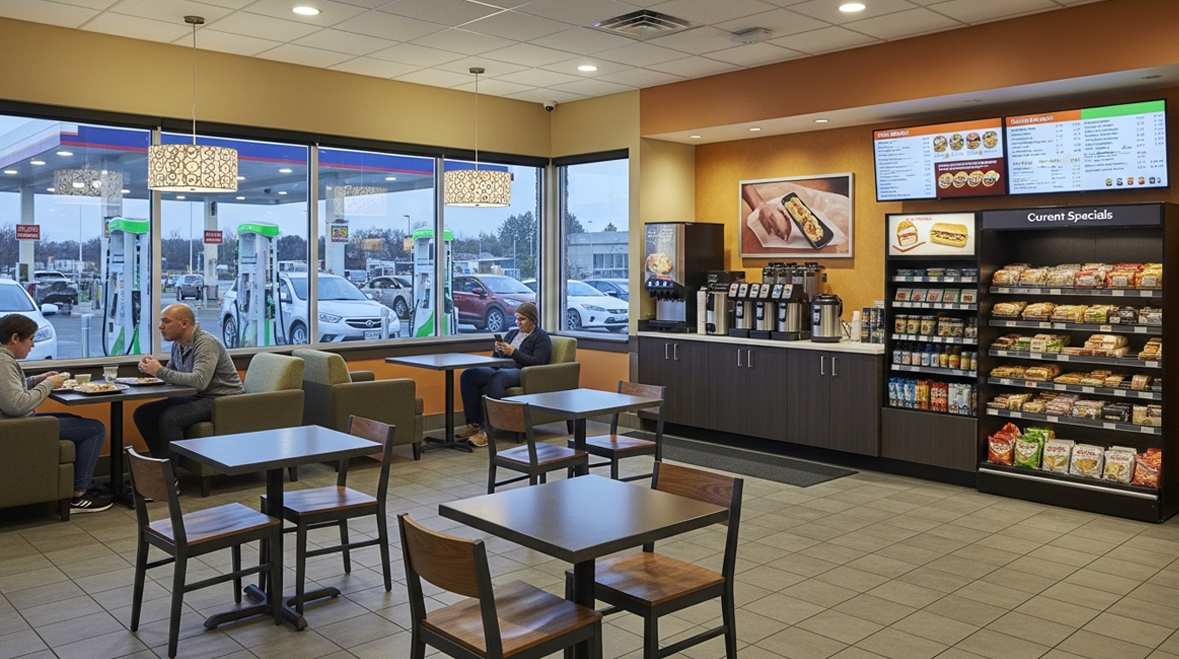
This shift has led to what many in the industry now describe as the destination convenience store. Instead of focusing entirely on speed, these locations are designed to encourage customers to stay longer, spend more money inside the store, and treat the location as something more than a quick errand.
For independent operators, this raises an important question: Is this the future of convenience retail, or is it simply a strategy that works best for large chains with significant capital and staffing resources?
To answer that question, it helps to look at how the economics of the convenience store have changed in recent years.
For decades, the typical store relied on a simple formula. Fuel drove traffic, packaged goods generated steady margins, tobacco and beverages produced reliable sales volume, and food existed in many stores, but it was often secondary to the rest of the operation.
The model worked because the store environment matched the business model. Everything was designed for efficiency. Narrow aisles kept merchandise close together, the counter dominated the store layout, and customers moved quickly from the door to the register.
What has changed is the growing importance of foodservice. Across the industry, prepared food has become one of the most powerful drivers of inside sales. According to industry data from the National Association of Convenience Stores, foodservice now represents a significant share of in store revenue and an even larger share of gross profit for many retailers.
When a store begins to generate serious revenue from fresh food, the physical environment around that food starts to matter more. Customers who buy a packaged snack almost always take it with them. Customers who buy a hot meal may want a place to sit.
This simple shift has quietly influenced how some operators think about store design.
In the past, seating was rarely considered necessary. Today, some operators see it as an opportunity to extend the visit and increase the size of the transaction. Research into evolving convenience retail formats has shown that stores investing heavily in prepared food programs often expand their footprint to accommodate kitchens, beverage stations, and seating areas.
The idea is straightforward. If a store can serve a full meal rather than just a snack, the average purchase changes dramatically. A two dollar coffee stop becomes a ten dollar breakfast. A quick beverage purchase becomes a fifteen dollar lunch.
Multiply that difference across dozens or hundreds of daily visits and the financial impact becomes significant.
Some of the most visible examples of this approach come from large regional chains that have built their entire identity around foodservice and the in store experience.
Bucee’s has become famous for building enormous travel centers that function like roadside destinations. The company’s locations include expansive food counters, seating areas, and a product assortment that encourages customers to explore the store rather than simply pass through it. Travelers often plan stops around these locations, treating them as part of the journey rather than just a fuel stop.
In the Midwest, Kwik Trip has taken a different approach but with similar results. The company invests heavily in prepared foods, including baked goods, sandwiches, and hot meals produced through a centralized commissary system. Many stores include seating areas where customers can eat breakfast or lunch, creating a more relaxed environment that encourages repeat visits from local customers.
Another frequently cited example is Sheetz, which built its brand around made to order food long before many competitors expanded into full kitchens. The company’s stores function almost like small quick service restaurants, with customers ordering food through digital kiosks and waiting inside the store for freshly prepared meals.
These companies operate at a scale that most independent retailers cannot easily replicate. Their buildings are larger, their capital investment is significant, and their supply chains are highly organized.
But the underlying idea is not limited to large chains. The broader trend is that convenience stores are evolving beyond the traditional gas and snack model and increasingly competing for actual meal occasions. A research report examining the evolution of convenience foodservice describes the shift as moving from gas and grub toward true food destinations.
When customers start thinking about a convenience store as a place to grab breakfast or lunch, the environment surrounding that purchase begins to matter.
Some operators have discovered that even small changes can influence customer behavior. A few tables placed near a coffee station can quickly become a morning gathering spot for regulars. Construction crews may begin stopping for lunch. Local workers may use the store as a quick meeting place between jobs.
In rural areas, the effect can be even more pronounced. The convenience store is often one of the few places open throughout the day, which naturally positions it as a community hub.
Retail design experts studying the evolution of convenience stores note that many newer locations are incorporating seating, expanded kitchens, and more welcoming interiors specifically to encourage customers to spend time in the store.
The strategy is not simply about making the store look nicer, it’s about influencing how customers behave once they walk through the door.
When customers feel comfortable staying inside the building, they often spend more money during the visit. Someone who sits down with a sandwich may add a second drink or a dessert. A group of coworkers grabbing lunch may each purchase multiple items before leaving.
Research on convenience store foodservice behavior also shows that consumers are increasingly comfortable purchasing hot meals from convenience retailers, particularly when the food quality is consistent and preparation is visible.
For operators, the opportunity is clear. Foodservice can increase both traffic and transaction size. But building a destination style store also introduces operational challenges that should not be ignored.
Space is the first consideration. Seating areas take up square footage that could otherwise hold coolers or merchandise. In smaller buildings, every foot of floor space has a direct impact on product assortment and sales potential.
Labor is another major factor. Stores focused primarily on packaged goods can often operate efficiently with small teams. Once fresh food preparation becomes central to the business, staffing requirements increase. Employees must be trained in food safety, preparation procedures, and customer service expectations that resemble restaurant operations.
There is also the question of speed. Convenience retail still depends on fast transactions, particularly during peak traffic periods. A store that becomes too focused on dining may frustrate customers who simply want to grab a drink and get back on the road.
These tradeoffs explain why the destination model is not automatically the right choice for every location.
Stores located near highways, travel corridors, or commuter routes often benefit the most from expanded foodservice and seating. Drivers appreciate a comfortable place to stop during long trips, and commuters may treat the store as a regular breakfast or lunch destination.
In dense urban areas, however, quick transactions may remain the priority. Customers moving between errands or work appointments often prefer speed over atmosphere.
For independent operators, the most practical approach often falls somewhere between the traditional quick stop and the full scale destination store.
Rather than completely redesigning the building, operators may focus on strengthening the elements that naturally encourage customers to stay a little longer. A well maintained coffee bar, a reliable hot food menu, and a small seating area can create new revenue opportunities without dramatically increasing complexity.
Even modest improvements can change how customers perceive the store. Better lighting, clear sightlines to the kitchen, and comfortable seating can make the environment feel more welcoming without sacrificing efficiency.
The key is understanding how customers already use the store. If people regularly purchase meals, gather for coffee, or spend time inside the building, investing in a more comfortable environment may strengthen the business. If most visits remain quick and transactional, maintaining speed and simplicity may be the smarter path.
Convenience retail has always adapted to changing consumer habits. The rise of the destination store is simply another step in that evolution.
For some operators it represents a major opportunity to grow foodservice and increase in store spending. For others it serves as a reminder that the most important part of the business is not the building itself, but the role the store plays in the daily routine of the community around it.
Resource Link
CSP Daily News: Convenience Stores Invest in Food Acosta Group: Convenience Retail Foodservice Insights Restaurant Dive: Fireside Market Launch CStoreDive: How C-Store Designs Evolved CStoreDive: Is Bigger Actually Better? CoBank: From Gas-n-Grub to Food Destinations NACS: C-Store Foodservice Growth Retail Design Institute: Evolving Convenience Stores
Share:
Newsletter
Stay Informed with
Top Headlines
Category


Insights and trends shaping U.S. convenience retail.
Content is provided for informational purposes only and does not constitute legal, financial, or professional advice.