Equipment Readiness for the Summer Rush
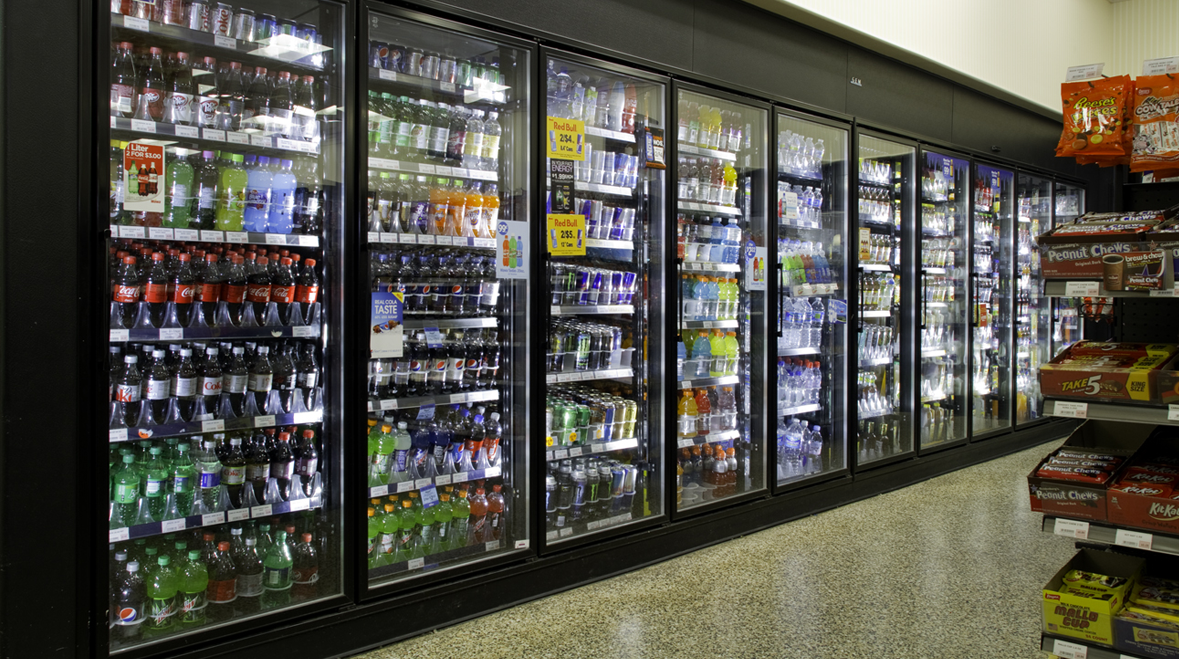
Every summer in the Southeast tells the same story: the temperatures climb, the foot traffic rises, and the cold case becomes the most visited part of the store. The demand for cold beverages, frozen treats, ice, and grab-and-go meals surges, and for the convenience store operator, it’s a golden opportunity. But it’s also a potential minefield. When the refrigeration unit falters on the hottest day of July, or when the ice machine sputters right before a holiday weekend, that’s not just a hiccup—it’s a revenue-crushing setback. Summer success in this industry isn’t built on the front end displays alone. It’s built on the backend—on systems that are cool, clean, and dependable under pressure.
There’s no glamor in condenser coils or compressor inspections, but there’s power in them. The stores that weather the summer rush most profitably are the ones that treat their equipment like frontline team members. Because they are. Your coolers are selling your drinks. Your ice machines are keeping your high-margin beverages attractive and your customers refreshed. Your HVAC system? That’s the first experience customers have when they walk through your door. If the air isn’t cool—or worse, it smells off—that impression sticks, no matter how great your signage looks or how well your grab-and-go section is stocked.
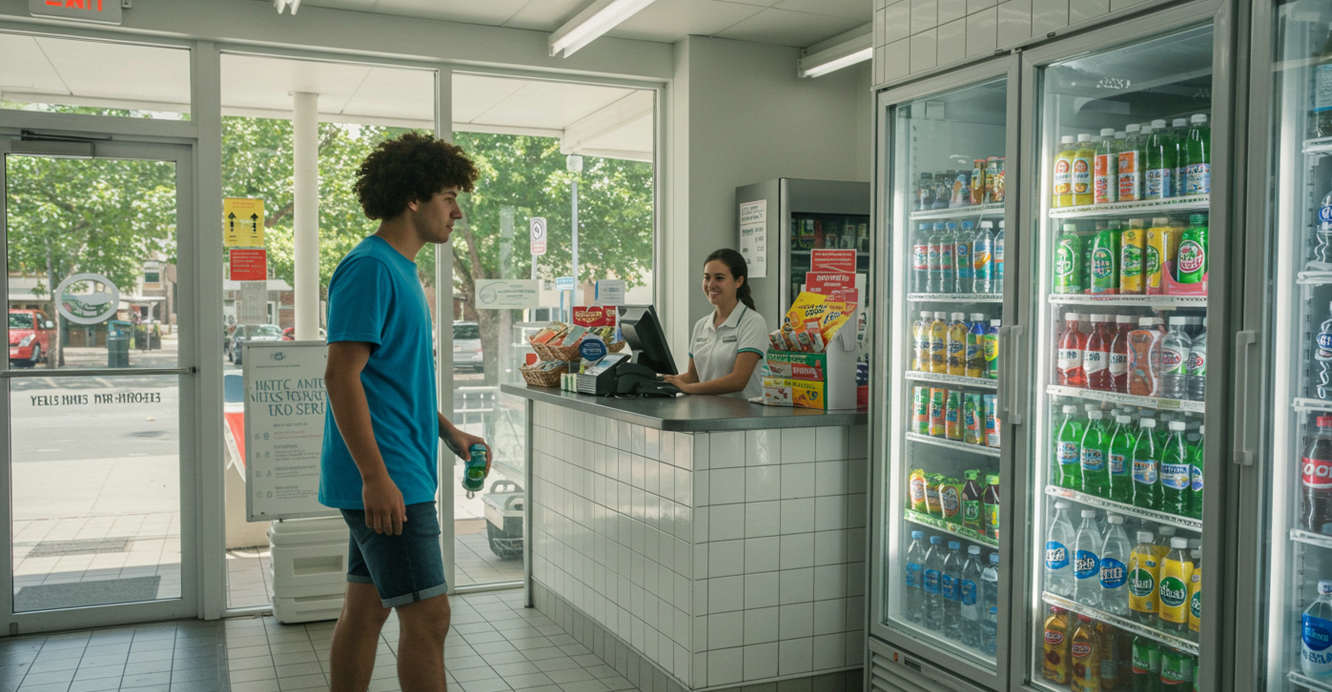
What often goes overlooked is just how hard this equipment works in the Southeast’s climate. The combination of extreme heat, humidity, and around-the-clock usage in high-traffic stores pushes refrigeration systems to their limits. In regions like coastal Florida, southern Georgia, or the Carolinas, equipment isn’t just dealing with high ambient temperatures—it’s battling dense moisture in the air that can clog filters, create condensation buildup, and cause systems to run harder for longer. That extra effort burns energy, raises your utility bill, and shortens the life span of key components.
The reality is that maintenance isn’t optional—it’s strategic. A preventive service call in May is far less expensive than an emergency repair in mid-July when parts are harder to get and HVAC techs are booked out for days. And in an era where parts shortages and service delays are still lingering from pandemic-era supply chain challenges, advance prep is even more crucial. The best operators aren’t just reacting—they’re planning, documenting, and scheduling their maintenance as part of their seasonal calendar, just like a promotion or inventory reset.
To break it down, refrigeration units need regular coil cleanings to ensure airflow, especially if your store is near sand or pollen-heavy areas. Ice machines, notorious for harboring mold or bacteria when neglected, require sanitization and full internal cleanings—something many operators forget to do until there’s a smell or a complaint. For those who need it, manufacturers like Manitowoc and Hoshizaki offer step-by-step cleaning guides, and resources like Easy Ice publish detailed how-tos. But more importantly, store managers need to build cleaning and inspection into a routine. It’s not enough to wipe down visible parts—technicians should be checking water filters, drain lines, and buildup in hard-to-see areas that compromise hygiene and performance.
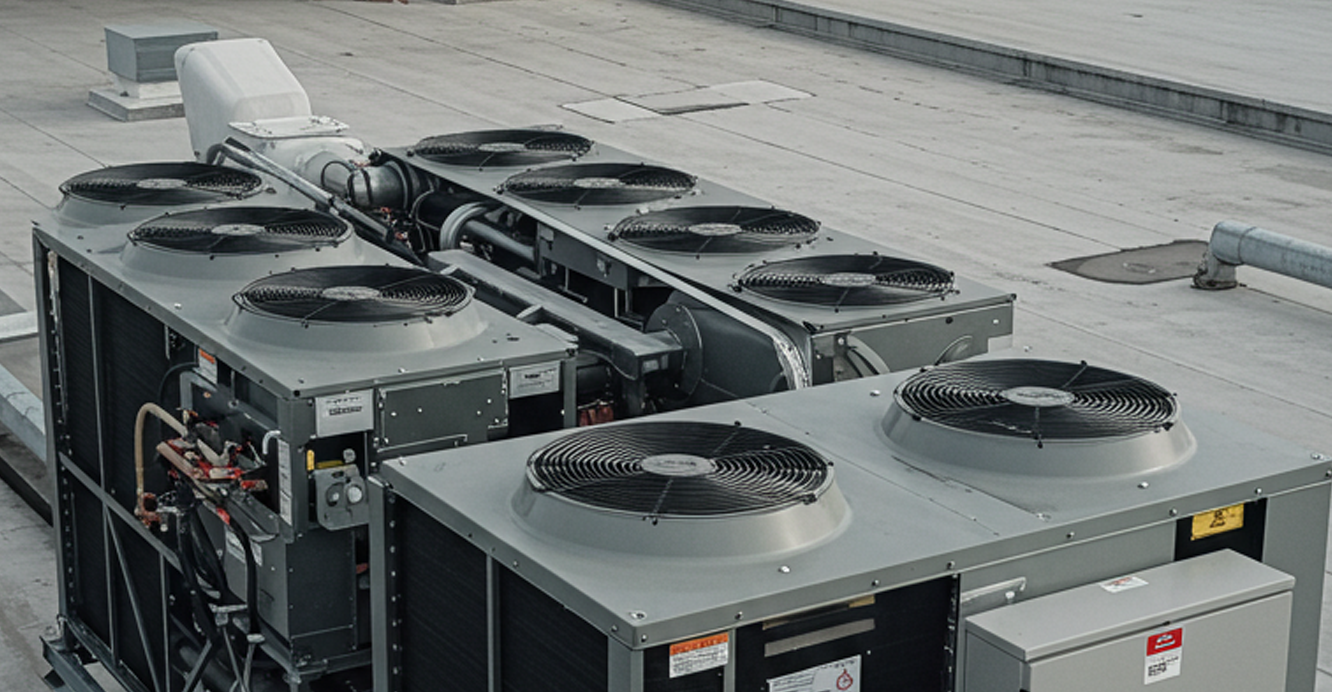
Then there’s the air conditioning system—the unsung hero of the summer retail experience. It doesn’t just cool the space. It affects dwell time. If customers walk into your store and instantly feel relief, they’re more likely to browse, more likely to linger, and far more likely to buy more. But if your HVAC is uneven, with hot spots near the beverage wall or sweating vents over the checkout counter, it disrupts that experience. Routine filter changes, airflow assessments, and seasonal inspections can prevent these issues from building up to the point of failure. And it’s not just the customer experience at stake—your employees feel it, too. A hot store in June is a miserable place to work. When your backroom is 90 degrees and your staff is sweating behind the register, morale dips, and turnover creeps in.
Smart operators are now also thinking beyond just function—they’re thinking efficiency. Energy bills spike in the summer, especially when refrigeration systems are overworked. One overlooked opportunity is door seals. Worn gaskets on cooler doors let cold air leak, forcing the unit to run more frequently. A visual inspection during stocking, paired with a scheduled quarterly check by a tech, can save hundreds of dollars over the course of a season. LED lighting upgrades inside the case can also reduce heat output and energy use. And more stores are starting to use remote monitoring systems that track cooler temperatures in real-time—alerting managers if a unit dips below or above safe thresholds, long before spoilage occurs.
Beyond the technical side, there’s an operational discipline that separates the best from the rest. Strong teams have checklists. They’re trained not just on what to clean or how to stock, but why these systems matter. When staff understands that a clogged filter could knock out the ice cream freezer on July 4th, they’re more likely to report small problems before they become big ones. And that culture of proactive maintenance doesn’t just save money—it protects customer trust. Because when your regulars stop in for their daily cold brew or frozen soda and find the machine down, they might not give you a second chance.
What’s important to remember is that summer isn’t just a challenge to survive. It’s a runway for growth. The months of June, July, and August can make or break your quarterly performance. But they won’t do it based on promotions alone. The flash of a great front-end setup has to be matched by the function of cold, clean, dependable equipment humming behind the scenes. When the back matches the front—when the systems support the experience—your summer doesn’t just stay cool. It stays profitable.
And if you’re not sure where to begin, don’t wait until something fails. Schedule that service. Call your tech. Walk your store and listen for strange hums or buzzing sounds that weren’t there last month. Open cooler doors and check for fogging or sweating. Ask your employees what’s not working quite right. Your customers may not see what goes on behind the beverage case or in the mechanical room—but they’ll absolutely feel it if something’s off.
Because in this business, especially in the dog days of summer, the cool doesn’t just happen. You build it.
Stats to include:
-
74% of c-store operators say cooler outages hurt beverage profits.
-
Refrigeration downtime costs can average $1,000 per day in missed sales and spoilage.
-
HVAC systems running over 85°F lose 20–30% cooling efficiency.
Newsletter
Stay Informed with
Top Headlines
Category




Insights and trends shaping U.S. convenience retail.
Content is provided for informational purposes only and does not constitute legal, financial, or professional advice.