Traffic patterns are changing. Shoppers are more selective. Fuel-only visits are still a challenge. And in many stores, the old assumption that the customer will naturally wander inside and buy something extra is not something operators can count on as much as they once did.
That does not mean the opportunity is gone. It means the store has to earn a better share of the visit.
The trip is under more pressure
Recent industry coverage continues to point to weaker store traffic, softer unit performance in several categories, and a more restrained consumer overall. Customers haven’t disappeared, they are being much more selective.
When shoppers are more deliberate, the store has less room for friction. If the visit is quick, the store has to make the buying decision easy. If the customer came in for one item, the store has to create enough reason for that trip to turn into two or three.
That is where many operators have a real opportunity. The challenge is not simply getting people in the door, it’s making better use of the time they spend inside.
A better trip starts before the customer slows down
One of the easiest mistakes to make is thinking about the trip only after the customer has already entered the building, but wins can come before they walk through the door.
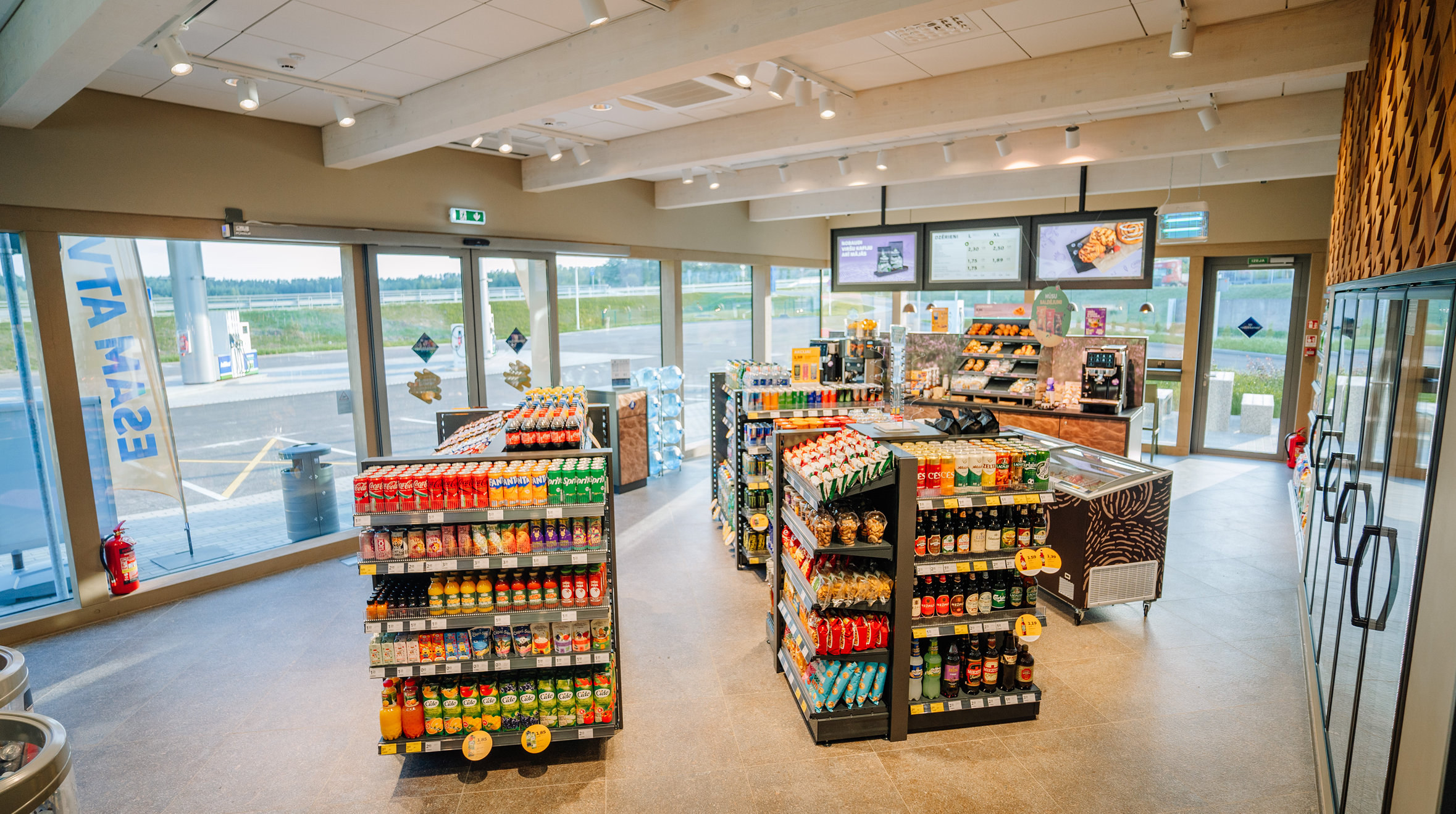
The forecourt, the parking lot, the entryway, and the first few feet inside the store all shape how the visit feels. If the space is confusing, cluttered, or visually flat, the customer moves through it quickly and with less curiosity.
A stronger trip experience usually starts with basic clarity:
- The customer should know where to go.
- The store should make the first decision obvious.
- The most relevant offers should be easy to see.
- The path to the category the customer wants should feel natural.
It’s not about creating a dramatic store experience. It is about reducing friction.
For smaller operators, that can be a real advantage because changes do not have to go through layers of approval. A sign can be moved, a display can be refreshed, a set can be tightened, and a product can be placed where it is more likely to be seen. Those are not huge moves individually, but they matter.

Mission trips still leave room for basket growth
Many trips to convenience stores are mission-driven. The customer is on the way somewhere, in a hurry, and has one clear reason for stopping.
That does not mean the basket has to stay small.
A mission trip becomes more productive when the store gives the shopper a reason to pause just long enough to add one more item. Sometimes that item is obvious. Sometimes it is not. The point is to make the trip feel worth a few extra seconds.
“A mission trip becomes more productive when the store gives the shopper a reason to pause just long enough to add one more item.”
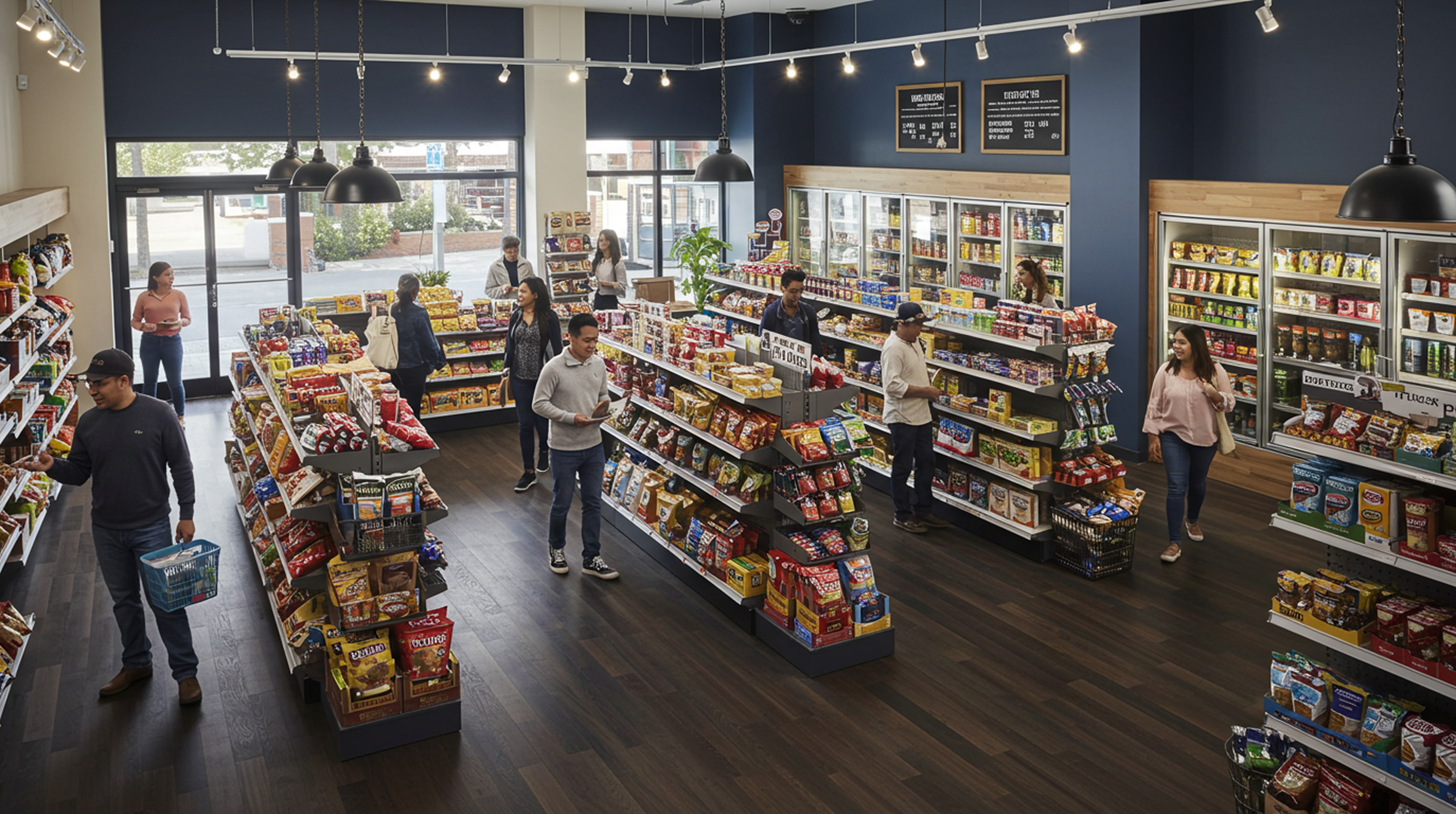
That is where merchandising still matters a great deal. Cooler placement, category adjacencies, signage, and visible seasonal items can all influence what happens after the first item is chosen. If the customer is already in the store, the store should not waste that opportunity.
Even simple changes can help:
- Put related products together so the choice feels complete.
- Use high-visibility spaces for products with strong impulse potential.
- Make sure promotional messaging is clean and easy to understand.
- Keep the store visually active enough that it feels current.
“Don’t overwhelm the guest; just invite them to one more quick decision.”
Food, beverage, and impulse still do a lot of heavy lifting
If there is one area where the trip can be meaningfully expanded, it is in the connection between food, beverage, and impulse.
“the connection between food, beverage, and impulse”
Customers still respond to pairings that make sense. A drink with a snack. A meal item with a beverage. A beverage purchase with a complementary grab-and-go item. These are simple moves, but convenience stores are built for them.
This is also where the best operators tend to be more intentional than the average store. They know that a category does not have to be huge to be effective. It just has to be visible and relevant.
When a store does this well, the customer gets what they came for, and then just a little bit more.
It turns a basic visit into a better one.
The local store still has an edge
National chains have scale, systems, and strong brand recognition. But a smaller operator still has an important advantage: the ability to react to what is happening right in front of them.
That can be especially valuable when customer behavior is changing quickly.
If a certain item starts moving, the store can lean into it. If a display is not working, it can be adjusted. If a trend is showing up in one location before another, the operator can respond locally instead of waiting for a system-wide reset.
Flexibility matters because the trip is not the same everywhere. A store in one part of Virginia may not behave like a store in Georgia. A suburban location may not behave like one near a highway. Even within the same market, the reasons people stop can be very different.
“Flexibility matters because the trip is not the same everywhere.”
The more closely the store reflects those differences, the better the trip tends to perform.
The point is to make the visit count
This is really the main idea: the trip itself has become more valuable because it is less automatic.
“the trip itself has become more valuable because it is less automatic”
Operators need to think carefully about what the customer sees, what slows them down, and what gives them a reason to buy more than they planned. None of that requires a complete overhaul. It usually comes down to execution, consistency, and a good understanding of the customer.
The best stores do not just get the visit, they use it.
In a market where traffic is under pressure and shoppers are making tighter decisions, the distinction can make the difference in quarterly performance.
“the distinction can make the difference in quarterly performance.”
Share:
Newsletter
Stay Informed with
Top Headlines
Category


Insights and trends shaping U.S. convenience retail.
Content is provided for informational purposes only and does not constitute legal, financial, or professional advice.