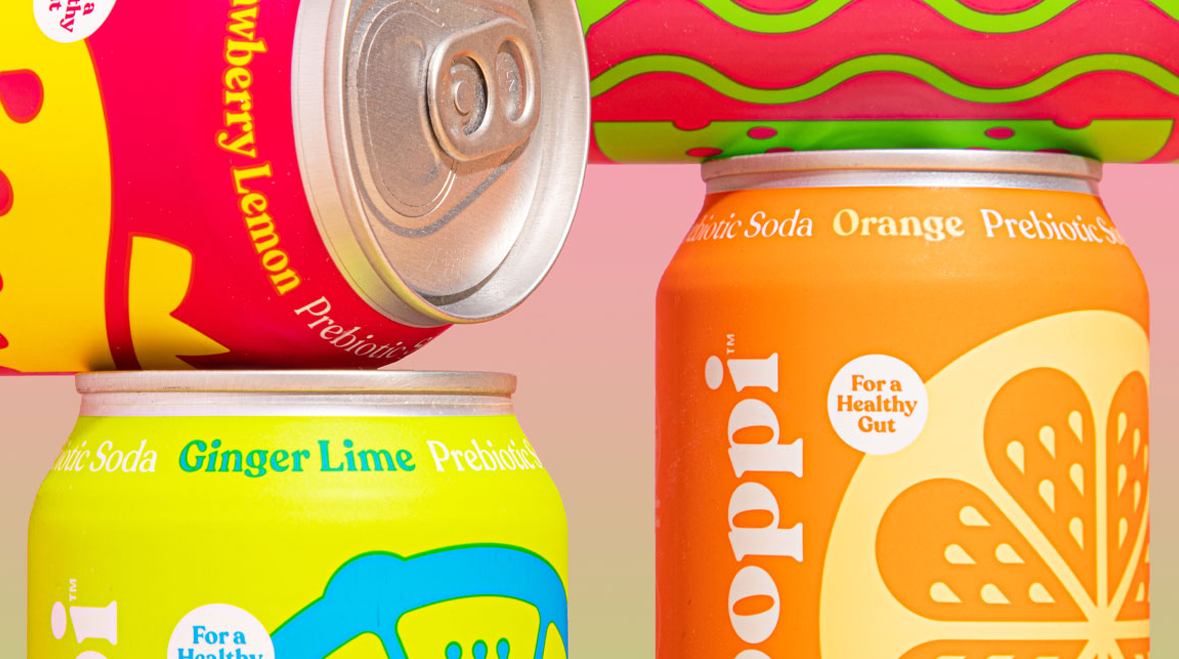
Gut Feeling: Pre- and Probiotic Beverages
When you wander into a convenience store these days, the cooler section looks different than it did just a few years ago. Nestled beside energy drinks and traditional sodas, you’ll now find colorful cans that tout fiber, live cultures, and digestive wellness. Brands like Poppi and Olipop have quietly claimed their space, tapping into a changing mindset among younger, label-conscious shoppers who no longer want to hide their health concerns behind discreetly packaged beverages. Instead, they want their drinks to speak openly of benefits—such as a gentle boost to digestion or a fiber-rich sip that aligns with their broader wellness lifestyle.
The rise of these gut-friendly beverages is far from superficial. Market analysts pegged the global value of probiotic drinks at nearly $49.5 billion in 2024, with forecasts suggesting that could more than double to $116.9 billion by 2034. That magnitude reflects the shifting tides in consumer behavior, where convenience store shelves have become pivotal launchpads for gut-health innovation. In North America, probiotic soda sales hovered around $444 million in 2023, with experts predicting that number will climb to $766 million by 2030. Significantly, c-stores already account for more than half of that retail volume, proving that operators are not just witnesses but beneficiaries of this trend.
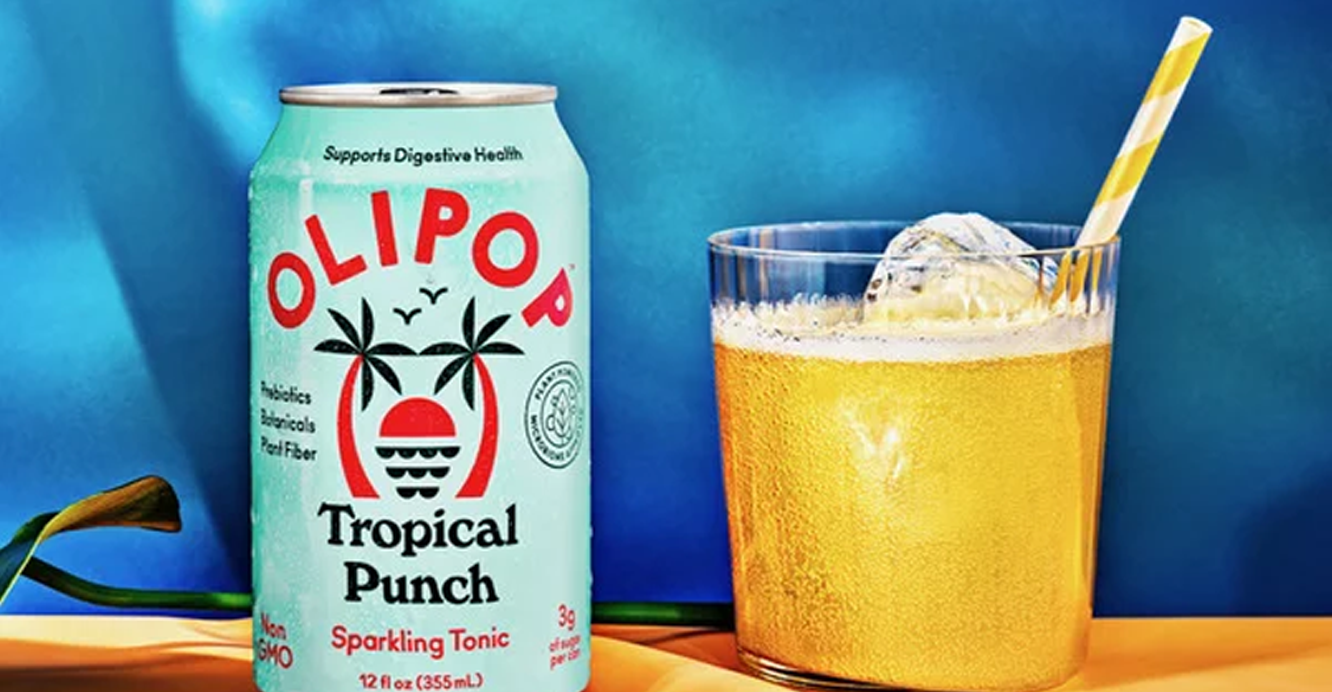
Poppi and Olipop are the standout brands leading this charge, each carrying a distinct personality that resonates with buyers. Poppi, recently acquired by PepsiCo in a $1.9 billion deal, rides the wave of social media buzz and catchy marketing. Its apple cider vinegar base, low sugar, and fizzy feel have made it a hit among trend-savvy consumers, even earning a spot in Super Bowl commercials. Meanwhile, Olipop climbed to $400 million in sales by early 2025, thriving on its retro-inspired flavors, fiber-laden formulas, and label transparency. It doesn’t scream buzzwords, but with nine grams of fiber per can and real botanical ingredients, it has earned the trust of consumers who want substance with subtlety.
These brands are igniting new foot traffic for operators in the Southeast. In c-stores near college campuses and urban centers, Poppi attracts the Instagram-hungry crowd, while Olipop engages shoppers who scrutinize ingredients and fiber counts before committing. Their presence together on the same shelf helps stores capture both the impulse crowd and the informed buyer, increasing opportunities through differentiation.
But soda isn’t the only vehicle for gut-health drinks. The shelves are branching out with kombucha, probiotic juices, and creamy probiotic yogurts. The probiotic drink market in North America alone was estimated at $14.25 billion in 2024, growing steadily as consumers look to integrate wellness more comfortably into their routines. Around universities across the Southeast, pairing a probiotic shot with a breakfast sandwich has become a subtle but lucrative trend, and some c-stores report these combinations increase the perceived value of simple grab-and-go purchases.

Driving all this change are Millennials and Gen Z shoppers. Millennials grew up drinking soda, but now expect products that harmonize flavor with health. Gen Z, meanwhile, demands authenticity and transparency. They’re willing to pay $2.49 per can for gut-health benefits, and they trust their friends—or influencers—when making their choices. The result: Poppi and Olipop aren’t just driving value through product; they’re steering sales through cultural relevance.
This shift hasn’t gone unnoticed by industrial giants. Coca-Cola and PepsiCo are no longer passive observers. Coca-Cola introduced Simply Pop, and PepsiCo moved Poppi into its mainstream beverage lineup. These moves signal that gut-related drinks have graduated from curiosity to strategic investment—an inevitability in today’s wellness-focused marketplace.
Not everything is smooth sailing. Some palates are still skeptical, associating whole-food fiber additives with chalky or medicinal flavors. Poppi faced a lawsuit in 2024 over claims that its marketing overstated digestive benefits, reminding operators that messaging must be truthful and transparent. As a result, consumers and retailers are learning to navigate the nuance: gut-health drinks are beneficial, but they’re not magical cures. Even so, the subtle joy of cleansing soda without the guilt has generated repeat habits—if the flavor holds up.
Despite these challenges, we’re seeing new products take shape that soften the edge of these concerns. Olipop has introduced softer flavors like Peach & Cream and Banana Cream, striking a balance between indulgence and wellness. Poppi’s Cherry Cola and Grape flavors expand its appeal—and help shield the brand from over-reliance on ACV (apple cider vinegar). These innovations signal maturity in the space, where taste quality matches marketing promises.
Bottle design, too, reflects thoughtful evolution. Some probiotic brands now use transparent containers to showcase fruit pulp, while others offer resealable bottles or single-serve shots that hold live cultures better in hot climates—a critical point for Southeast operators. For stores near the coast or tourist traffic areas where heat risk is high, these packaging improvements stand between freshness and spoilage.
Looking ahead to late 2025, the landscape promises more depth. Some brands are exploring blends of probiotics with adaptogenic botanicals—ashwagandha, turmeric, or basil—to offer not just gut support but calm-focus wellness. Industry insiders expect more shelf-stable versions designed to sit outside refrigerated coolers, opening my whole aisles to the gut-health concept even in stores with limited chiller space.
For c-store owners, the conversation becomes about curation and education as much as selection. Placing Poppi and Olipop side by side, perhaps under a gentle shelf marker like “Functional Fizz,” can spark consumer curiosity. Sampling events tied to local wellness occasions—say, a post-yoga glow or early-morning farmers market—can be powerful enticements. Even a small taste test on a warm Saturday afternoon could convert exploratory sippers into loyal customers.
It’s equally important to support consumer education with accessible signage. A small note by a can—perhaps explaining the difference between prebiotic fiber and live probiotic cultures—helps customers make informed decisions. Staff should be ready to clarify that while a gut-health drink won’t cure all digestion woes, it can be a daily ally when balanced with hydration and healthy eating.
On the back end, tracking performance is crucial. If Poppi and Olipop perform well, consider expanding your gut-health shelf by adding probiotic shots or low-sugar kombucha. Hot weather-proof refrigeration will protect product integrity. Margins may be slightly lower due to higher manufacturing costs, but with smart pricing—like pair-ups or slow-moving clearances—operators can preserve profitability while showcasing innovation.
Sometimes the best proof comes from local success stories. One Savannah-area store integrated a kombucha mini-fridge next to breakfast burritos and coffee. Regulars started grabbing the gut-health drink as they went, remarking how it eased digestion during long workdays. Managers said sales of kombucha shot up 45 percent in six months, without cannibalizing soda or energy drink lines. Another Greenville gas station started rotating in probiotic shots near its frozen juice dispensers and saw a 20 percent jump in category sales. These anecdotes reflect what top market data is telling us: gut-health beverages appeal to everyday wellness needs, even outside traditional health food niches.
Beyond incremental gains, digestive-wellness drinks help stores innovate brand perception. In a competitive landscape, being known as the store with “that healthier soda” or “the gut drink spot” sets a c-store apart. That identity builds loyalty faster than discount fuel.
We’re not at the finish line yet—taste continues to be key. Early Reddit thread reviews offer a balanced perspective: some folks loved the flavors; others found the experience flat compared to traditional sodas. But fast feedback cycles, refreshing new flavors, and ever-more approachable branding tell us that the category is iterating toward broader acceptance. As Coca-Cola, Pepsi, and numerous challenger brands keep investing, the category’s continuity and growth potential solidify.
All of this points to an undeniable conclusion: gut-health beverages are more than a fad. They’re a response to lifestyle shifts, climate, diet, and generational values—especially in places like the Southeast, where heat drives thirst, and eco-conscious, wellness-minded shoppers are prevalent. The interplay between platform brands like Poppi, challenger brands like Olipop, and curated store strategy is reshaping how consumers purchase beverages. For c-store owners, adopting and advancing these drinks isn’t just smart merchandising—it’s a practical pivot toward future readiness.
By rethinking cooler space, refreshing tastes, and giving shoppers context for their new purchase options, convenience stores can tap directly into this thriving market. The gut-health soda isn’t merely a drink—it’s a glance into larger trends in healthitude, consumer literacy, and category evolution. And as long as stores continue the storytelling—verifying benefits, explaining labels, and experimenting with flavors—they’ll enjoy what the analysts have forecast: durable sales today and new growth in the wellness categories of tomorrow.
Share:
Newsletter
Stay Informed with
Top Headlines
Category



Insights and trends shaping U.S. convenience retail.
Content is provided for informational purposes only and does not constitute legal, financial, or professional advice.