What the Leadership Shakeup and IPO Rumblings Mean for the Rest of Us
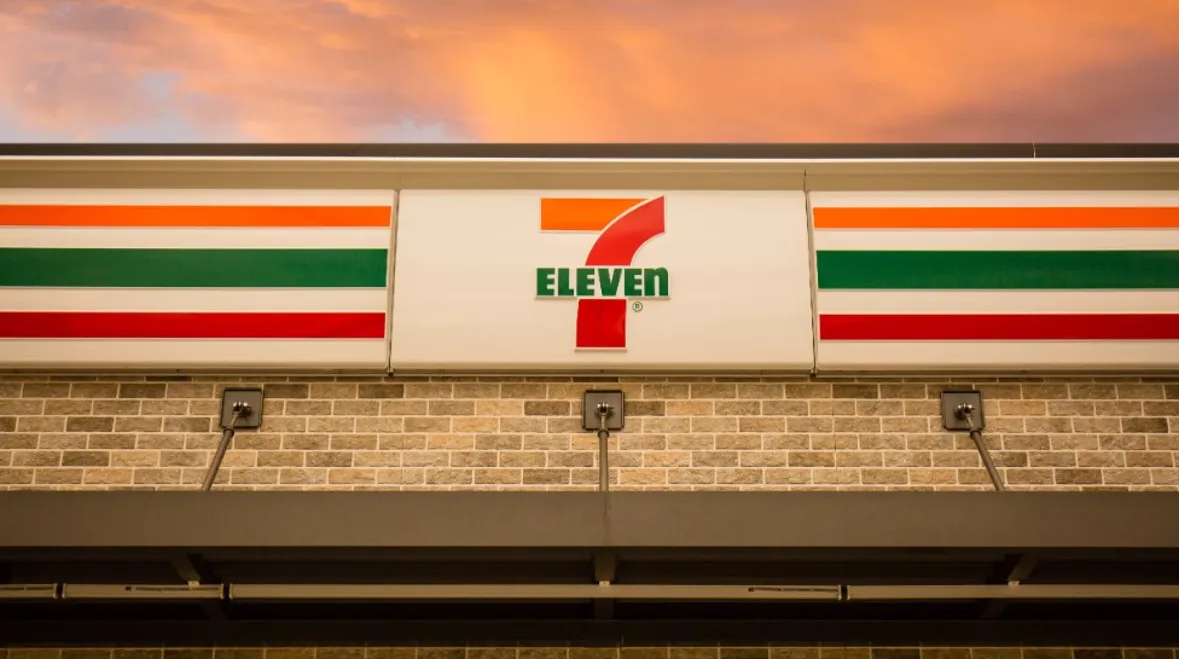
When a company as big and visible as 7‑Eleven makes a major leadership change, it matters to everyone in the convenience channel, not just franchisees or investors. This is the retailer that set the bar for modern convenience store operations in the United States. For decades it has been the yardstick everyone else uses, both consciously and subconsciously, so when its long‑time CEO stepped down at the end of 2025 after more than twenty years on the job, it felt like more than a personnel move. It felt like a shift in the ground beneath the industry.
“it doesn’t mean your store has to replicate their model, but it does mean customers are going to see that narrative”
Joe DePinto’s retirement ends a chapter in convenience retail leadership that saw 7‑Eleven expand into the largest c‑store chain in the world, grow digital and loyalty programs, and integrate Speedway into its system after that massive acquisition. In a LinkedIn post he shared that his time at the helm included expanding the brand to more than 80,000 stores worldwide and strengthening franchise networks, digital operations, and logistics. How that tenure is remembered matters, but what matters more right now is what’s happening next.

At the end of 2025, 7‑Eleven named two internal executives as interim co‑CEOs while a search for a permanent successor plays out. Stan Reynolds, who oversees finance, strategy, real estate and the Speedway integration, and Doug Rosencrans, the chief operating officer with deep experience in operations and category strategy, are splitting the leadership duties for now.
That setup tells you something important about the company’s priorities. Reynolds is strong on structure, margin and the business mechanics. Rosencrans, as COO, is close to what happens in stores and what drives profitability. The pairing suggests a balance between keeping the internal engine humming and trying to stabilize results in a challenging market. That balance is exactly the kind of thing independent operators should understand because it mirrors what many of us deal with every day. When the business has to tighten operations and keep an eye on costs while also finding room to innovate, you feel that tension down to the smallest decisions.
“7‑Eleven’s leadership change and IPO preparation puts pressures on display at a large scale.”
Now add another big shift: 7‑Eleven is preparing to take its North American business public later in 2026. This means the company will be operating with the scrutiny of public markets for the first time in its history, separate from its Japanese parent company Seven & i Holdings. An IPO is not just a fundraising event, it changes the incentives of leadership, the way performance is evaluated, and the timeline for decision‑making. Public companies answer quarterly results and face analysts and investors whose horizons are often shorter and more numbers focused.

When a dominant player like 7‑Eleven starts to operate under public market pressures, you see a shift in how aggressively it pursues growth, how it prioritizes efficiency or discipline, and how it positions its price and margin strategies. It’s very real for suppliers because negotiation leverage looks different when a vendor is pitching revenue growth to an investor base rather than pitching convenience or category depth to a store manager. The cadence of purchasing, promotional funding, and category commitments can shift when quarterly targets matter in new ways.
For vendors, a public 7‑Eleven could mean more transparency but also more pressure to deliver predictable, scalable results. It could mean bigger bets on initiatives that show growth on a chart and quicker cuts on programs that only pay off over the long haul. This type of functioning is not foreign to larger c‑store suppliers already doing business with publicly traded grocery and drug store chains, but it is new for a convenience partner that has historically operated as part of a private global structure. You could reasonably expect longer conversations about visibility into data and performance and shorter patience for pilots that don’t yield immediate metrics.
For independents and smaller chains, the ripple effect is subtle but real. A more aggressive pursuit of margin or expansion by 7‑Eleven can make competitive pressures sharper on pricing, store format expectations, and loyalty programs. When your competitor’s next quarter is being scrutinized on Wall Street, it changes how they talk about initiatives in market. Independent operators do not have an investor deck or quarterly earnings call, but you feel the pressure when pricing expectations in your local competitive set tighten or when vendors start shifting priorities to meet the demands of a major public partner.
And while the company is going through this leadership transition and IPO preparation, the expectations for the next permanent CEO are unusually high. Industry commentators describe the role as one with a steep climb because 7‑Eleven has struggled with profitability in the U.S. in recent years and is looking to rebound while navigating inflation, competition and shifting customer behavior. What that means is not just more internal change at 7‑Eleven. It means the company’s strategic decisions will reverberate upstream to suppliers and downstream to markets everywhere. When the next CEO sets priorities, they will inevitably shape how the broader segment defines convenience and what success looks like.
“There is no one path that is right for every store, but there is enormous value in seeing where the industry leans”
All this might seem like corporate drama happening in a building far from your store, but there are practical ways this plays out in real terms. One thing is pricing pressure. If 7‑Eleven pushes aggressive price promotions in their markets to maintain or grow share under investor scrutiny, you could see similar pricing expectations in your neighborhood, especially in overlapping trade areas. Vendors might feel pressure to fund discounts or incentives that support those price points. Independent owners often feel squeezed in these moments because the cost of matching aggressive pricing is real while the volume benefit is uncertain.
Format innovation is another place you see downstream impact. 7‑Eleven has already been evolving its store formats toward bigger footprints and more robust food programs, believing that food and beverage are where margin growth lives. If the new leadership doubles down on that narrative, it could accelerate expectations that “everyone should be bigger and more food‑centric,” which may not make sense for every store type. Here is where clarity becomes critical. Bigger is not always better for every operator. Bigger food programs mean higher labor costs and more complexity. But when the narrative from the biggest player in the sector backs that direction, it becomes harder to ignore, even if your store’s data doesn’t justify it.
The leadership shakeup also puts a spotlight on how 7‑Eleven partners with its suppliers and how those relationships flow through distribution and merchandising channels. When a large buyer makes a pivot, smaller operators often see the effects in product availability, promotional focus, and category resets. If 7‑Eleven’s next strategy emphasizes private labels or faster food build rates, the brands that support those plays get prioritized. That in turn changes what gets marketed heavily and what gets attention in category management discussions.
Independent owners should be passive observers. There is value in paying attention to how 7‑Eleven shifts its focus. Not to copy it blindly, but to understand what signals are moving in the channel. If the dominant player deems foodservice as the growth engine, it doesn’t mean your store has to replicate their model, but it does mean customers are going to see that narrative more often. They will notice bigger food displays, more frequent promotions around meal occasions, and stronger loyalty tie‑ins. That awareness changes consumer expectations over time, even if your day‑to‑day customer mix remains different.
Ultimately what 7‑Eleven is doing right now matters because it reflects larger structural pressures in the industry. Legacy models driven by fuel volume are no longer enough to sustain growth. Profits are coming from tighter operations, smarter category decisions, digital engagement that actually works, and formats that make sense for a changing customer base. 7‑Eleven’s leadership change and IPO preparation puts pressures on display at a large scale. Watching how it responds to those pressures offers both a window into future strategic priorities and a reminder that our own stores face the same challenges, just on a different scale.
There is no one path that is right for every store, but there is enormous value in seeing where the industry leans and then asking the hard question of whether that path makes sense for your business.
Resource Link
Retail TouchPoints: Longtime 7‑Eleven CEO Retires as Retailer Preps for Ambitious North America Growth CStoreDive: Fueling Up — Who Will Be 7‑Eleven’s Next CEO? Wikipedia: 7‑Eleven
Newsletter
Stay Informed with
Top Headlines
Category


Insights and trends shaping U.S. convenience retail.
Content is provided for informational purposes only and does not constitute legal, financial, or professional advice.