Protecting Profits in 2025
In the world of convenience retail theft doesn’t always announce itself with a smash-and-grab. Most often, it creeps in quietly. An unpaid energy drink slipped into a backpack, a register drawer short by a few dollars, a discount applied where it shouldn’t have been, or a spoiled sandwich tossed before its time because no one tracked rotation. It’s death by a thousand little losses. For store owners, especially independents working in tight-margin environments, the effect of unchecked shrink is both financial and emotional as it feels like control is slipping through your fingers, even when you’re working harder than ever.

There’s a shift happening in how convenience stores combat shrink, and it’s not about putting up more cameras or installing bigger safes. It’s about getting smarter. C-store owners are embracing security tools that don’t just watch, they think. They track patterns, flag anomalies, and learn from behavior. Artificial intelligence and smart video analytics are no longer the territory of big-box chains. They’re being deployed in single-store operations and regional groups, helping owners connect with the real-time heartbeat of their business.
The evolution starts with visibility. Traditional surveillance gave owners a way to “go back and check the tape,” but today’s systems are built for prevention, not reaction. Smart cameras now pair visual data with time stamps, POS transactions, and behavioral triggers. When an employee voids multiple items in a short span, the system sends an alert. If someone walks into a restricted area, the AI flags it. When products go missing from high-theft zones owners know within minutes. These aren’t clunky systems built for warehouses. They’re designed for fast-paced retail where seconds matter and training lapses can cost thousands.
At the heart of this transformation is the shift from passive monitoring to intelligent exception reporting. Rather than watching hours of footage, owners are alerted to specific high-risk moments: cash drawer discrepancies, late-night inventory adjustments, suspicious returns. A new video analytics system flagged a recurring 2 p.m. pattern where a cashier applied unauthorized employee discounts to friends. Over the course of a month, the store had lost more than $400 in under-the-radar comps. That’s not just a payroll issue, it’s a profit leak. Once flagged, the issue was corrected with a conversation and retraining session.
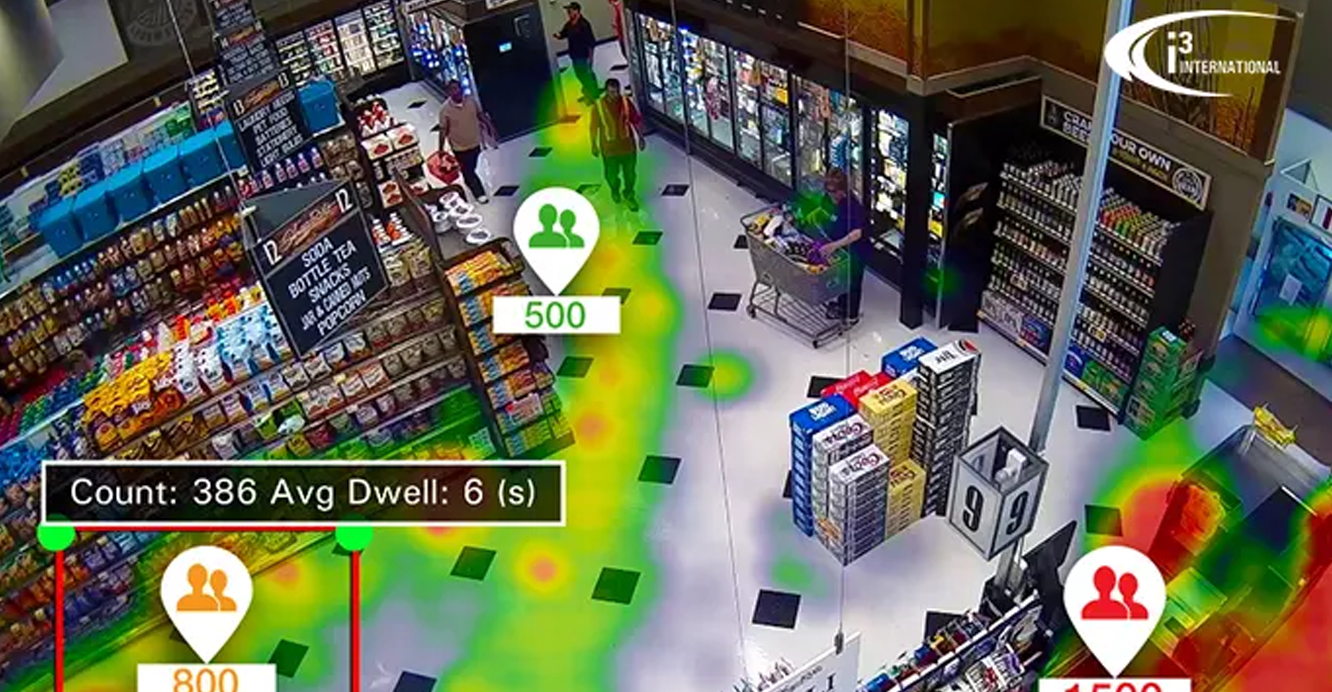
These tools aren’t only for internal shrink. External theft such as shoplifting, staged accidents, or fraudulent returns can be caught in the act. In high-traffic stores, AI systems can identify loitering patterns, alert staff when someone enters the store three times in a short window, or track when high-risk SKUs leave a shelf but don’t reach the counter. Some setups now integrate with motion tracking, heat mapping, and line-of-sight analysis making it easier to understand where blind spots exist and where to station staff or place signage. That kind of behavioral intelligence turns a simple security camera into a profit-protection tool.
But technology is only part of the story. What’s truly changing is the way owners think about accountability. With better visibility comes better coaching. Store managers are using exception reports to guide staff on proper checkout behavior, upsell techniques, and refund protocols. Video clips are shared not as punishment but as teaching tools—“Here’s how we want to handle this,” not “Gotcha.” This shift creates a culture of trust and clarity. Employees understand the expectations, and owners get peace of mind without feeling like they’re constantly policing.
The ROI speaks for itself. While the tech comes with a cost—setup, training, and occasional maintenance—the savings in lost product, reduced turnover, and fewer management headaches often outweigh that investment within the first year. Many vendors even offer scalable plans that make it easier for small operators to enter the ecosystem without breaking the bank.
Of course, security isn’t just about what you can see, it’s about what you can prove. In the event of an insurance claim, vendor dispute, or customer complaint, having timestamped video paired with transaction data provides powerful documentation. In an era of rising liability and decreasing tolerance for vague explanations, that level of evidence protects more than your product, it protects your reputation. When customers know you take operations seriously, they trust you more. When vendors know you track what’s moving, they respect your standards. It becomes a self-reinforcing cycle of professionalism.
Perhaps the most unexpected benefit of smarter shrink tools is the impact on operations. By analyzing video data over time store owners can identify patterns in customer flow, restocking needs, and even merchandising success. One operator discovered that high-margin snack items placed near the cooler underperformed until he rearranged signage based on traffic path heat maps. Another realized that their coffee program spiked in theft during early morning hours when only one employee was on duty, prompting a shift adjustment. In each case, it wasn’t a theft issue, it was a visibility issue. And once corrected, business improved.
This new model of intelligent oversight is especially valuable in multi-store operations. With remote access and cloud-based interfaces, owners can monitor activity across locations without being on-site. They can compare exception patterns, test new loss-prevention protocols, and respond to emerging issues quickly. It’s the difference between operating reactively and managing proactively. For many, it’s the first time they’ve felt truly in control of their security strategy.
The human factor still matters. Technology doesn’t replace people, it empowers them. The best systems are those that blend real-time data with frontline awareness. Cameras and software can alert owners to patterns, but it’s still the cashier who notices when a regular customer seems “off,” or when a vendor drops off the wrong product. The goal isn’t surveillance for surveillance’s sake, it’s clarity. When employees understand the why behind the tools, they become partners in protecting the business, not just subjects under watch.
What’s clear in 2025 is that security has graduated from locks and warnings to strategy and insight. Smart stores learn, adapt, and respond. They use AI and video tools as a living system in a world where pennies matter and perception is power. That intelligence makes all the difference.
Newsletter
Stay Informed with
Top Headlines
Category




Insights and trends shaping U.S. convenience retail.
Content is provided for informational purposes only and does not constitute legal, financial, or professional advice.