QSR-Level Service Inside C-Stores
There was a time when foodservice in convenience stores meant hot dogs rotating under heat lamps, or pizza slices sitting on a rotating platter in a glass case. That image is now almost entirely out of date. Today’s c-store foodservice programs are evolving into full-fledged kitchens, many of them outperforming fast food competitors on speed, freshness, and flavor. This transformation isn’t just aesthetic, it’s strategic. As fuel margins shrink and foot traffic evolves, made-to-order (MTO) food is rapidly becoming the defining growth engine for convenience retail. Operators who once saw food as an accessory are now learning that it’s a core driver of profit, customer retention, and brand identity.
Across the Southeast, the shift is especially apparent. From urban intersections to rural bypasses, operators are converting underused space into compact, high-yield kitchens. Breakfast wraps, customizable sandwiches, fried chicken baskets, smoothies, and salads are becoming the new anchors of customer experience. Customers are no longer just picking up a snack, they’re choosing c-stores for meals. Unlike traditional QSRs, which often deal with labor bottlenecks and operational sprawl, c-stores can serve up hot, fresh, and customizable food with remarkable efficiency if the kitchens and service workflows are setup with intention.
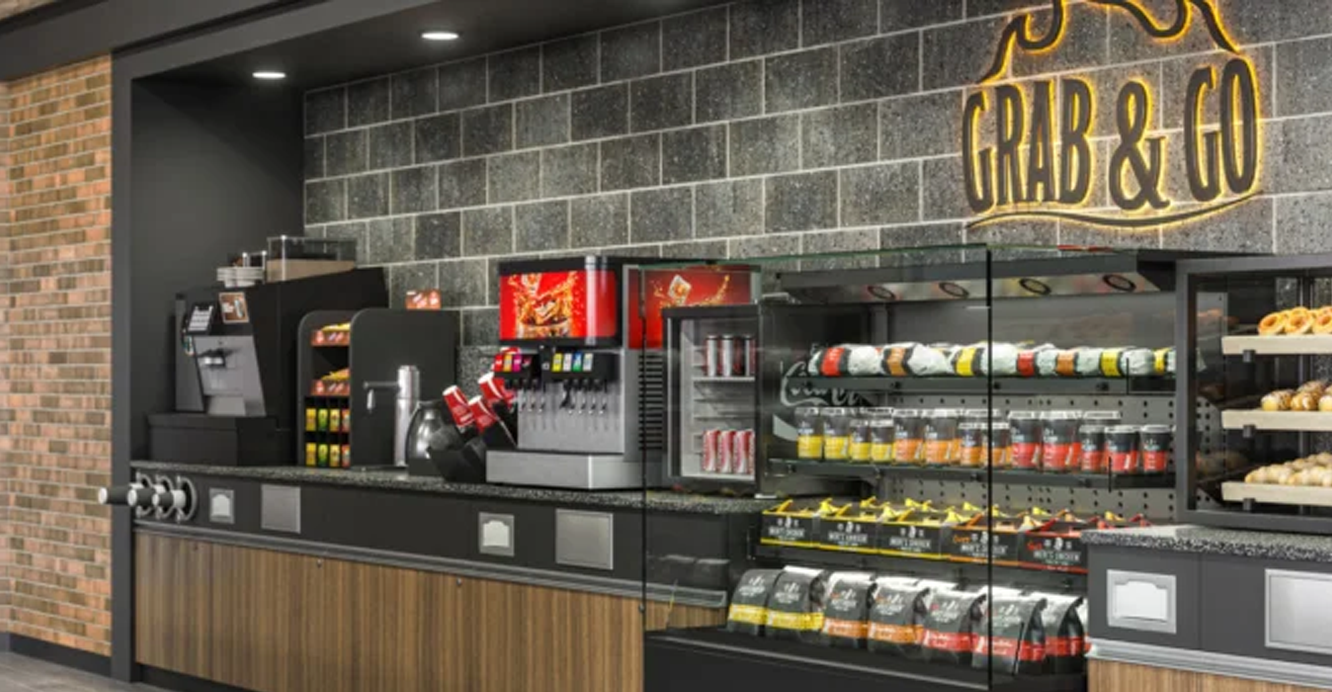
What’s making this model work is a combination of compact cooking technologies, smarter menu design, and an appetite for quality. Store owners are learning to design menus that balance speed and substance. Fryers and turbo ovens now sit alongside cold-prep counters and beverage stations. Staff can be trained to handle food tickets in under three minutes without slowing down overall store service. Customers place orders through touchscreens, loyalty apps, or directly at the counter. While the customer waits, often for less than the time it takes to get through a drive-thru, they browse, buy drinks, and increase basket size. The result is layered revenue on every visit.
In fact, the overlap between foodservice and retail is where c-stores find their true strength. A customer coming in for a chicken sandwich will often grab a bag of chips, a cold energy drink, or a dessert item to go. In stores that highlight their MTO program prominently through scent, signage, and sampling have a striking difference in sales performance. Customers feel they’re in on something local, fresh, and a little bit unexpected. It’s not mass-produced, it’s personal. That’s something no QSR chain can replicate easily.
The success stories are not confined to national names. Independent stores across Georgia, Alabama, and Florida are proving that you don’t need to be part of a massive franchise to deliver great food. One owner just outside Birmingham launched a breakfast-focused MTO program from a 40-square-foot space behind the counter. Within six months, morning traffic had doubled and cold brew coffee sales tripled. Another in South Georgia partnered with a local spice blend company to create custom rubs for their fried chicken menu, giving customers a regional flavor experience they couldn’t get anywhere else. These kinds of tweaks add depth to a store’s reputation and make them a destination for regular meals, not just occasional stops.
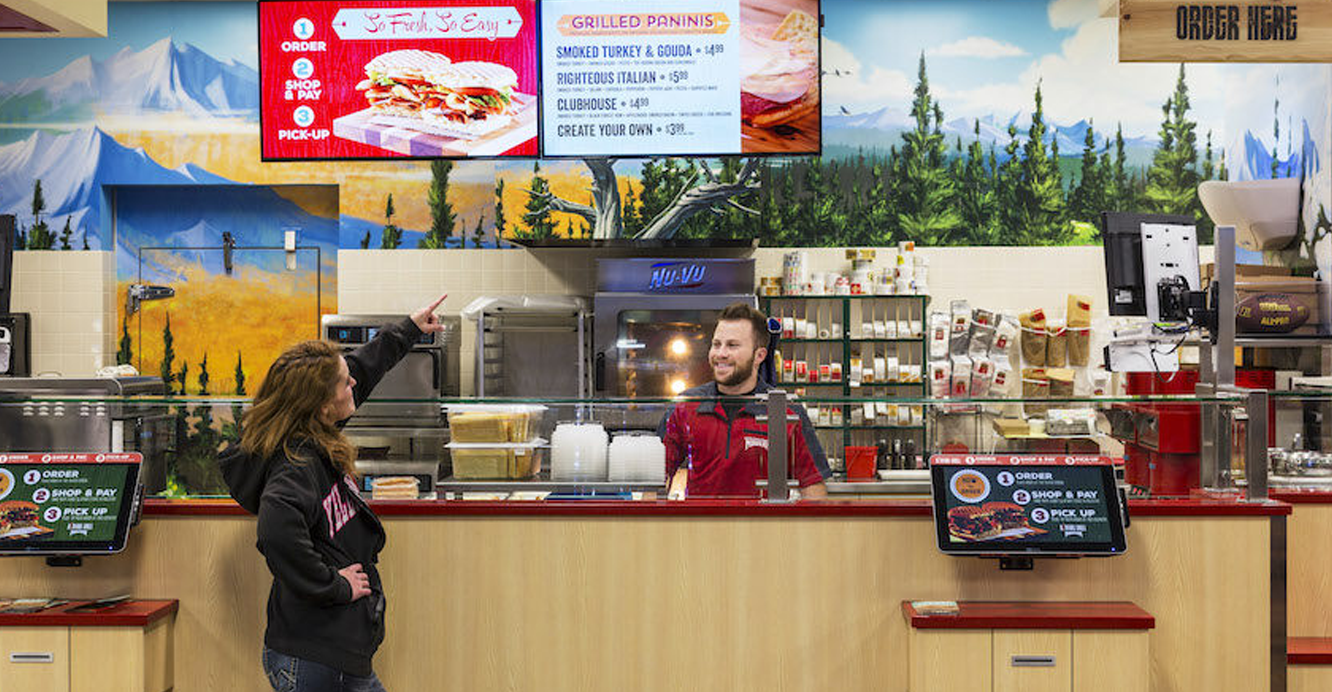
The fact that customer expectations have shifted helps a lot. Consumers are more open than ever to eating at a convenience store, especially younger demographics. Recent consumer behavior studies show that Gen Z and millennial shoppers actively seek out on-the-go meals that are fast, fresh, and affordable. They’re drawn to menus that feel customizable, whether that’s selecting the protein in a rice bowl or adding extra spice to a chicken sandwich. C-store kitchens are well-positioned to meet these needs because of their smaller scale and operational flexibility. It’s easier to test new items, offer limited-time flavor drops, or react quickly to seasonal preferences. A national QSR needs a committee to roll out a new sauce. A c-store operator can try it tomorrow.
Staffing, once considered a barrier to launching food programs, is being addressed with smarter training and simple, efficient workflows. Stores are training multi-taskers. These are team members that can switch between running the register and assembling a wrap in minutes. Prep routines are streamlined: cold components are assembled in advance, hot items are cooked to order, and packaging is designed for speed and portability. Operators are also leveraging technology. Digital kitchen screens, simplified inventory systems, and integrated ordering platforms are reducing confusion and increasing ticket accuracy. Some stores are even exploring predictive prep models, using POS data to anticipate which items will spike at certain times of day or week, reducing waste while increasing readiness.
The opportunity here isn’t just about food. It’s about redefining how people perceive your store. A strong foodservice program builds trust, and trust brings repeat visits. Customers who enjoy your sandwich will be more likely to try your coffee. They’ll stay longer, spend more, and view your brand as more than a place to fill up their car and grab a drink, they’ll see it as a solution to being hungry. Food is no longer a side hustle. It’s the front door to deeper loyalty.
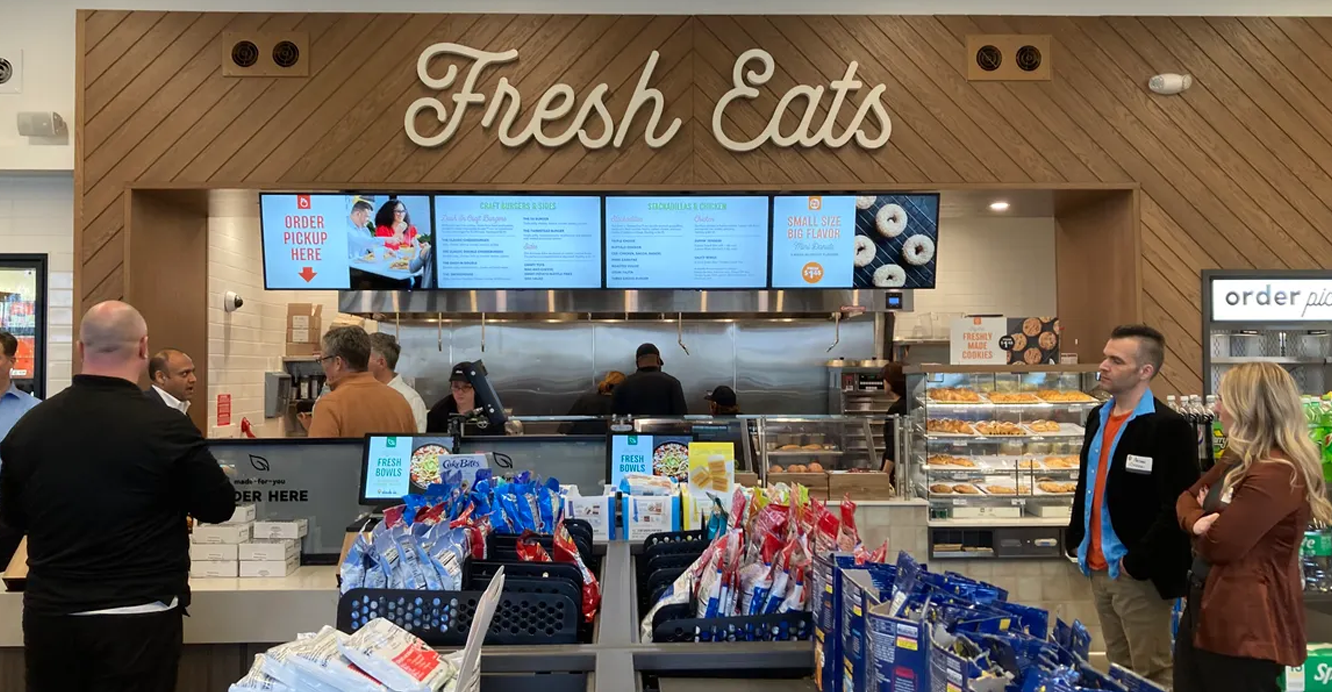
As operators consider how to build or scale a made-to-order program, the key is to start with clarity. What meals do your customers want that they aren’t getting elsewhere? When are they coming in hungry? What prep footprint can your store handle without sacrificing speed? What products can you build a menu around that align with your existing vendor relationships? It doesn’t have to be complex. Many successful kitchens focus on three to five core items that can be remixed into dozens of variations. The trick is consistency, freshness, and presentation. If it looks good and smells better, it will sell.
Of course, marketing matters too. Stores that promote their MTO offerings across social media, window signage, and loyalty programs see faster ramp-up and stronger traction. It helps to feature staff favorites, highlight customer-created combos, or showcase limited-time offerings. Sampling still works wonders. One operator who offered bite-size fried chicken samples during lunch hour saw a 48 percent lift in foodservice sales that same day as well as a noticeable uptick in return visits the rest of the week.
Then there’s the intangible gains. Store owners and staff who lean into foodservice often report higher morale, better customer interactions, and a sense of ownership that goes beyond routine retail. Food brings people together. When a customer says, “I didn’t expect this from a gas station,” you’ve just redefined their relationship to your business. That moment changes perception and creates a memory.
Made-to-order foodservice isn’t a trend, it’s a transformation. And it’s one of the clearest, most achievable paths for c-store operators to increase revenue, differentiate their brand, and future-proof their stores. Whether you’re adding a griddle, redesigning your layout, or simply refining what you’re already serving, now is the time to move forward with confidence.
Because the convenience store of today isn’t just about being fast, it’s about being good.
Share:
Newsletter
Stay Informed with
Top Headlines
Category

Insights and trends shaping U.S. convenience retail.
Content is provided for informational purposes only and does not constitute legal, financial, or professional advice.