How Vendor Activations Transform a Storefront Into a Destination
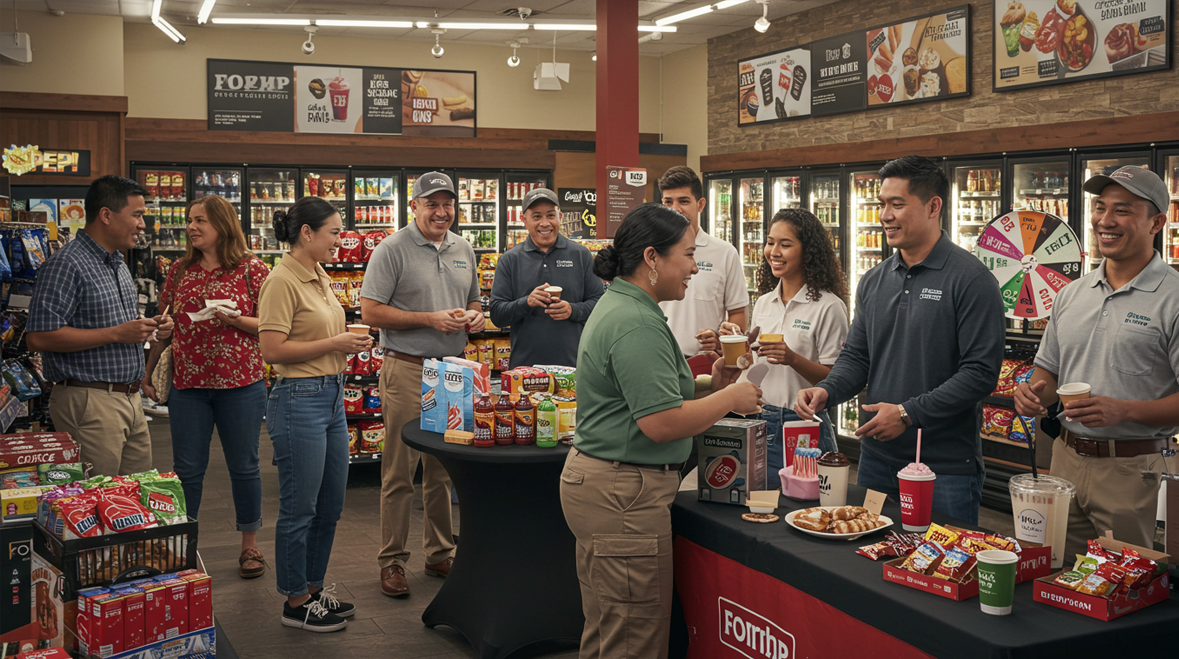
There’s something quietly powerful about stepping into the flow of your community with intention. That’s exactly what happened at the grand opening of a new Shell station in Hiram, Georgia. What made it different wasn’t just the customers who showed up, but who showed up with them. Partner vendors like coffee roasters, frozen shake pros, fried chicken teams, and branded beverage partners. They all came together not just to hand out samples, but to create energy, to build buzz and to shape an experience.
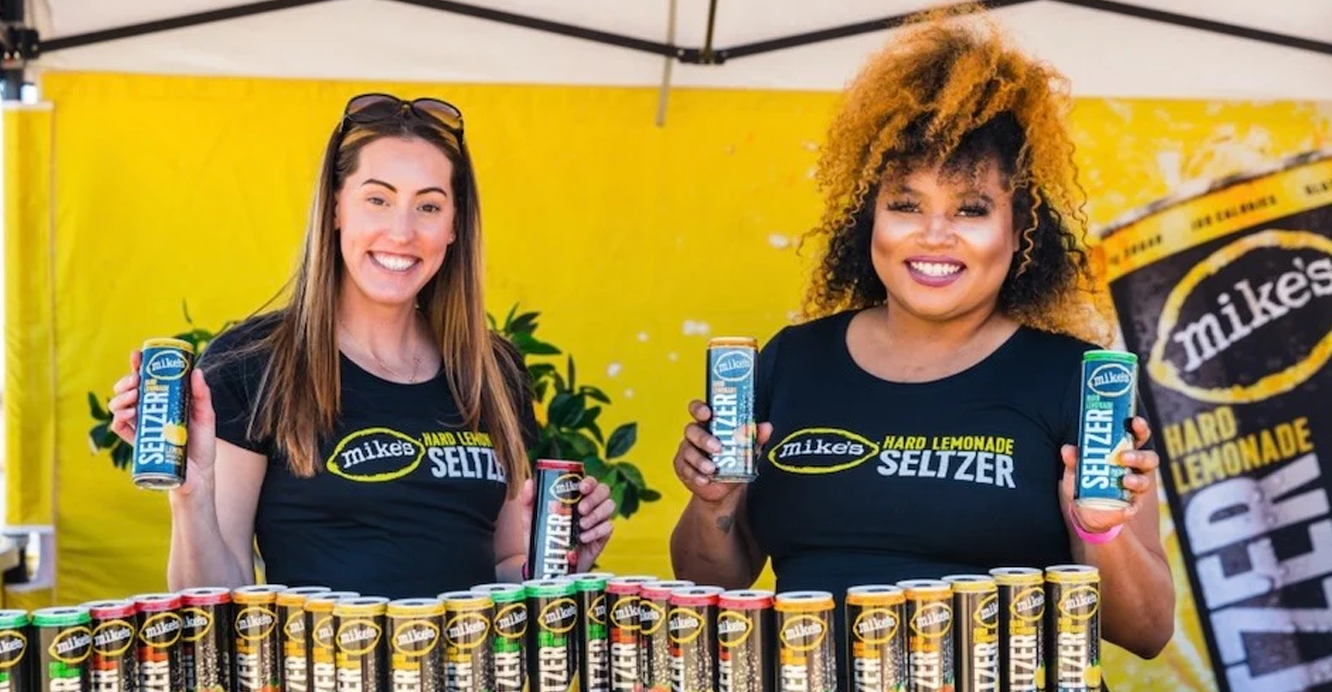
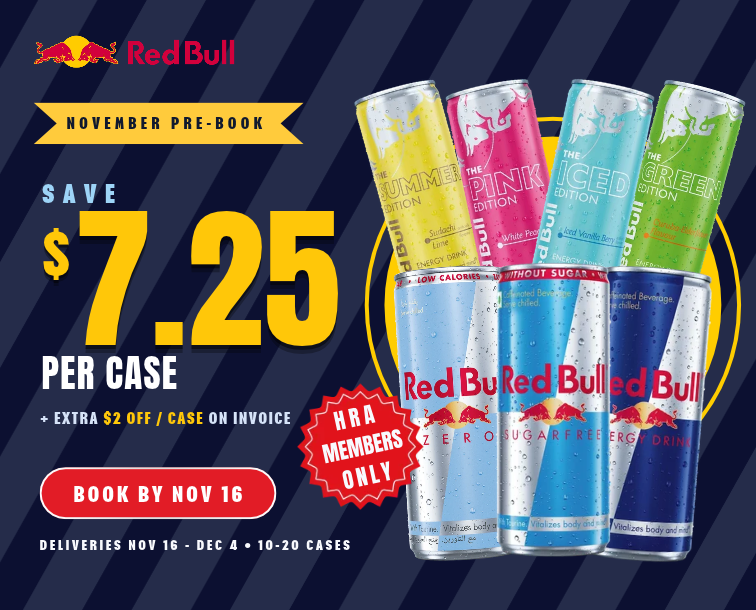
The owner Nikki didn’t just throw a party, she orchestrated a tone. Her partnership with HRA vendors gave the day dimension. There were warm biscuits coming out of the kitchen, milkshake samples from F’real flowing freely, Hill & Brooks Coffee pouring hot and cold sips, and Monster Energy with coolers and giveaways. The convergence of people and products turned a simple grand opening into something customers felt and, more importantly, remembered.
When done right, activations like this don’t just create short-term spikes in traffic, they embed emotional memory. They carve out a different identity than just “that gas station on the corner.” Customers walk away with not just snacks, but stories. That kind of imprint is invaluable in a world where convenience is increasingly commoditized.
Expanding beyond traditional consumer packaged goods (CPG) relationships opens the door to these experiences. It means you’re not just thinking about product placement, but about presence. Not just discounts, but dynamics. A local bakery or craft beverage partner isn’t just a vendor, they’re a co-author of your store’s brand story. When they show up in person with signage, samples, and something to say they help your store transcend its four walls.
The magic is in the moment of exchange. When a customer tries something for free,whether it’s a F’real smoothie, a new cold brew blend, or a seasonal energy drink, they linger. They ask questions and become receptive. They don’t just consume the product they become part of the scene. These moments can impact future behavior. One operator in the Southeast shared that after just two weekends of protein shake demos their average basket size during the demo hours rose by 18%. The same store also saw a rise in return visits during the same weekday time slot, a clear indication that behavior had shifted, not just once, but repeatedly.
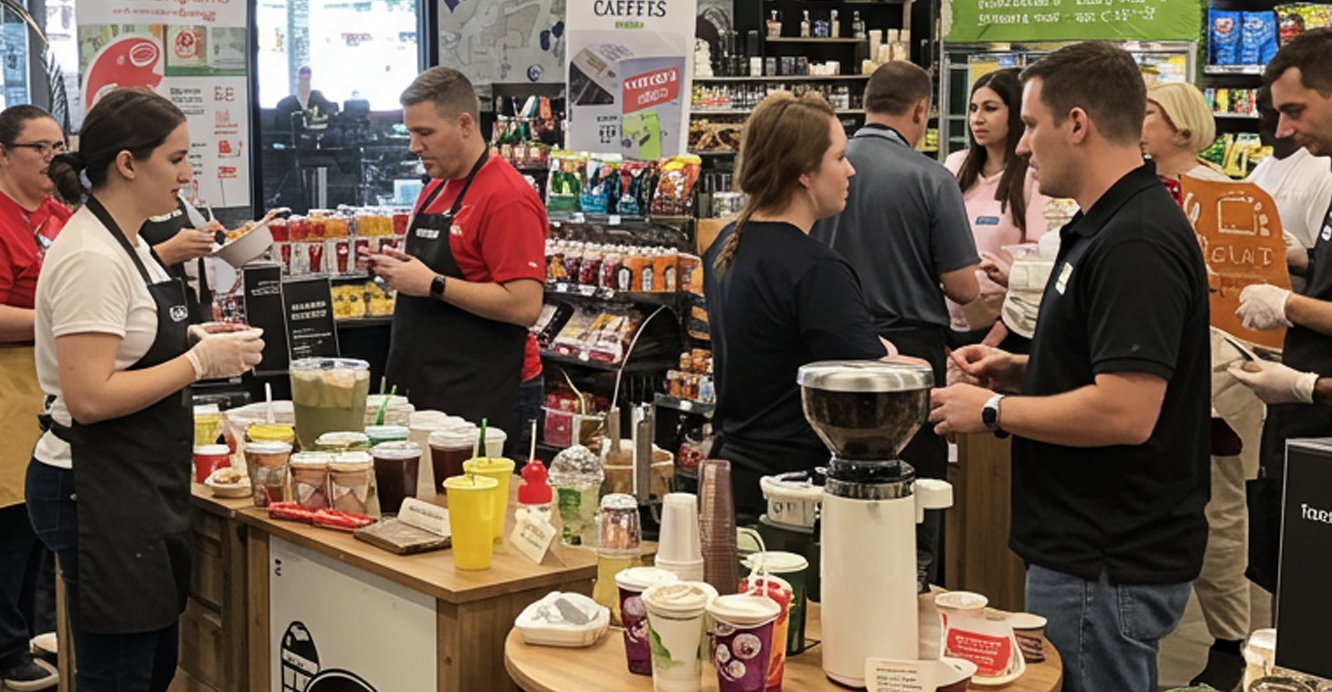
The effectiveness of these activations lies not just in the brands themselves, but in the choreography of how they’re timed, placed, and supported. Mid-day traffic? Use that window for snackable demos and meal-adjacent foods. Early morning? Coffee and energy shots resonate best. Hot weather weekends? Hydration products and frozen items dominate. Layer in local relevance like regional baked goods or crafted beverages, then the activation feels less like a stunt and more like a celebration.
Even small touches change perceptions and create legitimacy. Customers notice these things. Especially now, when face-to-face retail interaction feels more rare and more valuable than ever, these small efforts deliver exponential results.
And it’s not just about the customers, your staff benefits too. When store associates are engaged in these events they become energized. They learn the story behind the brands they sell they begin to take ownership. This involvement improves retention, morale, and even service level. A staffer who’s explained the benefits of a functional beverage on a Saturday is more likely to recommend it confidently on a Monday.
These activations also generate something every retailer needs more of: data with context. Many vendor partners now come equipped with tracking tools such as QR codes, POS-compatible coupons, and sample redemption apps that allow both the vendor and the store to monitor what hits and what misses. Data leads to insights.
Think about what data intelligence means when layered over time. If one pop-up shows you how customers move, and another shows you when they spend, and another tells you what flavors resonate you’re no longer guessing. You’re building strategy informed by interaction, not just inventory.
Over time, consistency compounds. Vendors start seeing your store as a productive feedback platform. They offer you more samples, more exclusives, and more first-looks at new SKUs. One South Carolina operator ran steady activations for six months and became a test market for a seasonal flavor release from a major beverage brand. That SKU sold out twice within a 10-day window simply because the vendor trusted the store’s demo ability and demographic alignment. Those aren’t the kinds of opportunities that show up randomly. They come when you’ve proven your store can be a launchpad.
Even social media gets a lift. Video snippets of activations such as a cold brew being poured, a fried chicken tasting set up with smiling staff, or a kid spinning a raffle wheel. These are low-cost high-engagement moments and customers love sharing them. The reach often goes beyond your city. The store in Hiram saw video clips from the grand opening posted by attendees who lived 30 miles away, tagging friends and saying, “You’ve got to check this place out.” That kind of organic promotion is worth more than a month of paid ads.
The beauty is that no two activations need to be the same. You can rotate between categories, brands, and formats. One weekend you feature cold drinks and functional hydration. The next, protein-rich snacks and bold new coffees. It’s the rhythm that creates expectation. A little different each time, but always playing a familiar tune.
Logistically, it’s also easier than most think. Most vendor partners have event kits, demo teams, and staging materials. All they need is a clear space, a set time window, and a point person at your store. That’s where buy-in matters. When your team is on board, and your calendar has a rhythm, these become seamless to plan. Some stores even create simple seasonal schedules: a hydration series in summer, a comfort food series in fall, and a resolution-focused healthy snack run in January. Customers come to anticipate the change.
But it doesn’t need to feel corporate. In fact, the more local it feels, the better it lands. A mocktail pop-up with a local mixologist. A fry basket demo where the store manager talks to customers while the aroma of fresh food pulls people in. A small chalkboard that says “Today’s Feature: Try Our Cold Brew from Hill & Brooks” with a staff pick listed underneath. These touches create intimacy, and that’s where trust is born.
Trust is the core currency here. When your customers feel like your store offers more than what they came in for they’ll return.
The same applies to your vendor relationships. When you build a reputation as a store that knows how to host, promote, and follow through then vendors start coming to you with ideas, not just product. They want to partner on signage, they offer exclusive deals for your audience, and they loop you into regional campaigns. Suddenly, your store isn’t chasing opportunity, it’s curating it.
So how do you begin? Start with a simple question: What’s your store’s energy this season? Are you gearing up for summer travel? Planning for back-to-school? Leaning into tailgate season? Pick one weekend, choose one partner, and create a one-hour demo that adds flavor to your peak foot traffic window. Watch what happens, track what moves, and ask your staff what customers said. Then repeat.
You’ll start seeing customers differently. Not as transactions, but as participants in an unfolding story. Your store becomes a place they talk about and your brand gets layered with context, emotion, and discovery.
In an era where retail loyalty is fluid, what you offer beyond price point becomes the difference-maker. Your vendor relationships aren’t just about cost savings or logistics, they’re about storytelling and when you treat them as partners in your story, something powerful happens.
In the end, the most successful c-store owners won’t be the ones with the biggest square footage or the deepest discount shelf. They’ll be the ones who create moments. The ones who partner with brands to build experiences that invite customers in and make them want to stay a little longer. The ones who understand that convenience is about connection.
Share:
Newsletter
Stay Informed with
Top Headlines
Category

Insights and trends shaping U.S. convenience retail.
Content is provided for informational purposes only and does not constitute legal, financial, or professional advice.