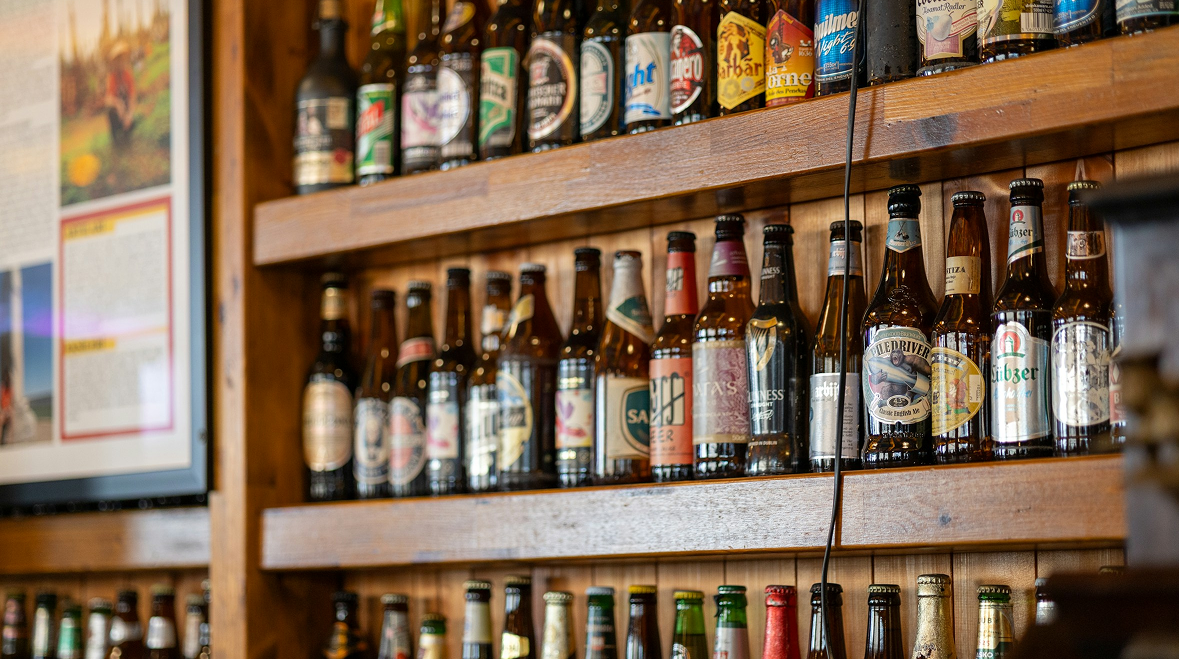
For decades, the beer cave and the alcohol cooler have been reliable traffic drivers for the convenience channel. But as we move through the spring of 2026, the data points to a massive, structural reset in how consumers catch a buzz.
Traditional alcohol sales are experiencing sustained volume declines, driven by generational shifts and inflation. In its place, a new, highly lucrative category is fighting for cold vault real estate: hemp-derived THC beverages. For convenience store operators, understanding this shift, and knowing how to legally and profitably navigate it, is the key to protecting beverage margins this year.
The Alcohol Pullback
The decline in traditional alcohol is no longer a short-term blip; it is a long-term consumer trend. Shoppers, particularly Gen Z and Millennials, are embracing "sober curiosity," citing health goals, calorie reduction, and price fatigue as primary reasons for drinking less.
According to recent 2026 convenience store tracking by NielsenIQ, 17% of consumers report actively buying less alcohol this year. Furthermore, overall beer volumes have struggled to find consistent growth in the convenience channel, forcing retailers to look outside of legacy macro-brews to generate excitement. Consumers aren't necessarily giving up on unwinding at the end of the week, but they are looking for alternatives that don't result in a hangover.
The Hemp-Derived Beverage Boom
Enter the intoxicating hemp beverage market. Thanks to the framework established by the 2018 Farm Bill, which legalized hemp containing less than 0.3% Delta-9 THC by dry weight, a booming market of federally compliant, hemp-derived THC drinks has emerged.
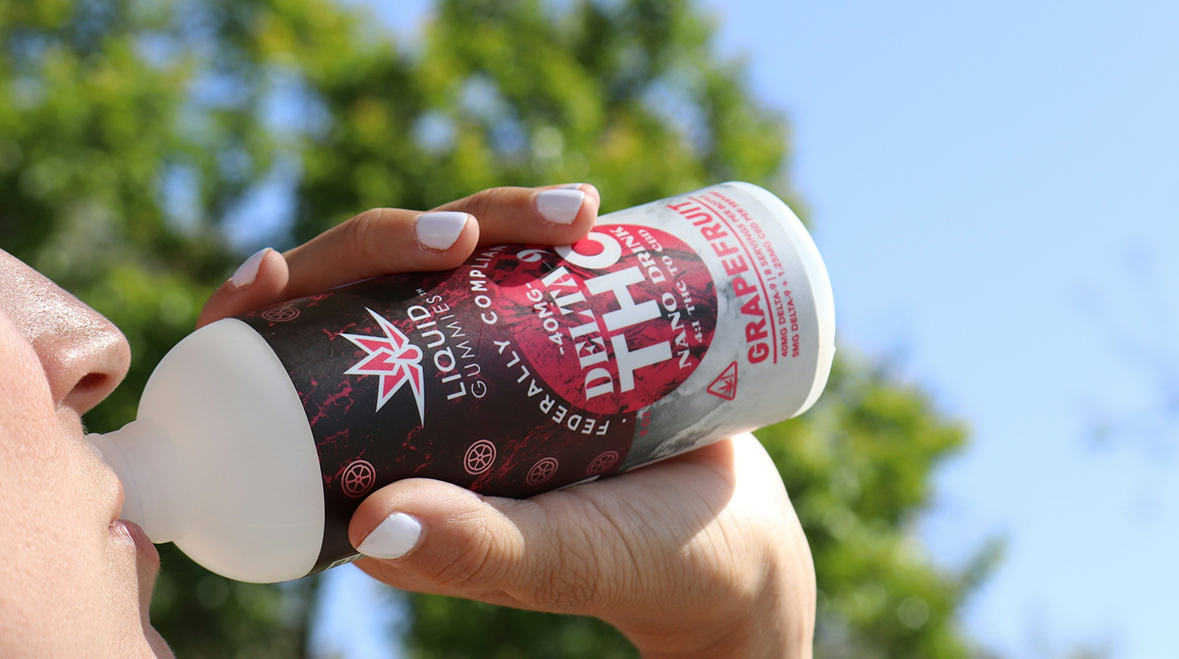
The growth numbers are staggering. According to recent reporting, the hemp-derived THC beverage market has rapidly evolved into an estimated $1 billion industry. While liquor stores initially capitalized on this trend, the convenience channel is quickly catching up.
Recent NielsenIQ retail data shows that convenience stores are already capturing tens of millions of dollars in this emerging segment. Furthermore, SPINS channel tracking through early 2026 revealed that Delta-9 THC drink sales surged a massive 148% year-over-year.
Consumers are gravitating toward these products because they offer a familiar, sociable format (a cracked can) with a predictable, controlled buzz that mimics the onset of alcohol without the negative morning-after effects.
Strategies for the C-Store Operator
While the margins on THC beverages are highly attractive, the category requires careful curation and execution at the store level
- Nail the Dosage: The modern consumer is looking for a "sessionable" experience, meaning they want to drink two or three cans over an evening, much like light beer. According to industry data, the vast majority of retail sales in this category are driven by lower-dose products. Focus your inventory on beverages containing 5mg to 10mg of THC per can, rather than high-dose specialty items that can intimidate new users.
- Merchandising Placement: Do not hide these products in the back of the store. Successful operators are merchandising hemp-derived THC beverages near premium non-alcoholic options, functional wellness drinks, or directly adjacent to the craft beer door. Visibility is key for driving trial among curious consumers.
- Stay Vigilant on Compliance: The regulatory environment for hemp-derived THC is highly volatile and varies wildly from state to state. While federally protected under the Farm Bill definition, individual states have enacted their own restrictions, age-gating requirements (always 21+), and taxation rules. Operators must work closely with their distributors and legal counsel to ensure complete state-level compliance before authorizing any SKUs.
The beverage landscape is fundamentally changing. By carefully introducing compliant, low-dose THC beverages, convenience retailers can successfully offset the declining volume of traditional alcohol and capture the next generation of alternative adult beverages.
Share:
Newsletter
Stay Informed with
Top Headlines
Category


Insights and trends shaping U.S. convenience retail.
Content is provided for informational purposes only and does not constitute legal, financial, or professional advice.